https://boda.su/en/posts/id3571-space-heater-safety-essential-rules-to-prevent-fires
Space heater safety: essential rules to prevent fires
How to use a space heater safely and prevent home fires
Space heater safety: essential rules to prevent fires
Learn essential space heater safety: where to place units, why extension cords are dangerous, what types are safer, and how to avoid overheating and fires.
2025-12-17T11:24:24+03:00
2025-12-17T11:24:24+03:00
2025-12-17T11:24:24+03:00
When the cold settles in faster than the central heating, space heaters become the season’s go-to rescue. Along with comfort, though, they often carry hidden risk. Fire services keep stressing that misuse of heating appliances remains one of the most common causes of residential fires.To make a heater a source of warmth rather than worry, a handful of simple, non‑negotiable rules goes a long way.The most common mistake: extension cordsSpace heaters draw a lot of electricity. Plugging one into a cheap extension cord or a multi-plug adapter overheats the wiring.The result can be:melted contacts,smoke from the casing,an extension cord that can ignite in mere minutes.The right way is to plug the heater directly into a dedicated wall outlet—no sharing with a kettle, microwave or any other high‑draw appliance. It’s one corner that simply isn’t worth cutting.Where you should never place a heaterA stream of heat can ignite nearby items even without touching them.It’s risky to position a heater:right up against curtains,near a bed or blankets,close to rugs and upholstered furniture,under a desk or wedged into a tight corner.Keep at least one meter of clearance from everything around it.A crucial point: never leave it unattendedEven modern units with overheat protection aren’t immune to failure.Experts emphasize that you shouldn’t leave a running heater in an empty room and shouldn’t fall asleep with it on, especially if it stands near the bed. A short circuit can be enough for flames to spread within minutes.What people often overlook: dustBuilt‑up dust acts like fuel. It settles inside the housing and on the heating elements; when switched on, it scorches and drives temperatures higher.It helps to:disassemble and clean the unit before the season (if the design allows),wipe dust off the grilles and housing regularly.Which heaters are saferNo appliance offers absolute protection, but some designs carry less risk.Safer options include:oil‑filled radiators,convectors with overheat protection,ceramic heaters.Higher‑risk options:old‑style coil fan heaters,home‑made or refurbished devices,units from unknown manufacturers without labeling.Cords and outlets: the weak linkA heater’s cord should not warm up. If it feels hot to the touch during operation, the load is too high—stop using it.The same goes for outlets:if the housing is warm,there’s a plastic smell,you hear crackling—all of these signal overheating and a potential fire.Warmth should be safeSpace heaters have long been everyday helpers, but they demand care. Choosing a quality unit, plugging it in correctly and staying attentive to small details helps prevent fires and keeps winter comfortable. A little vigilance pays for itself many times over.
space heater safety, prevent home fires, extension cords, safe placement, unattended heaters, dust buildup, oil-filled radiators, ceramic heaters, convectors, overheating, outlets and cords, winter heating safety
2025
articles
How to use a space heater safely and prevent home fires
Learn essential space heater safety: where to place units, why extension cords are dangerous, what types are safer, and how to avoid overheating and fires.
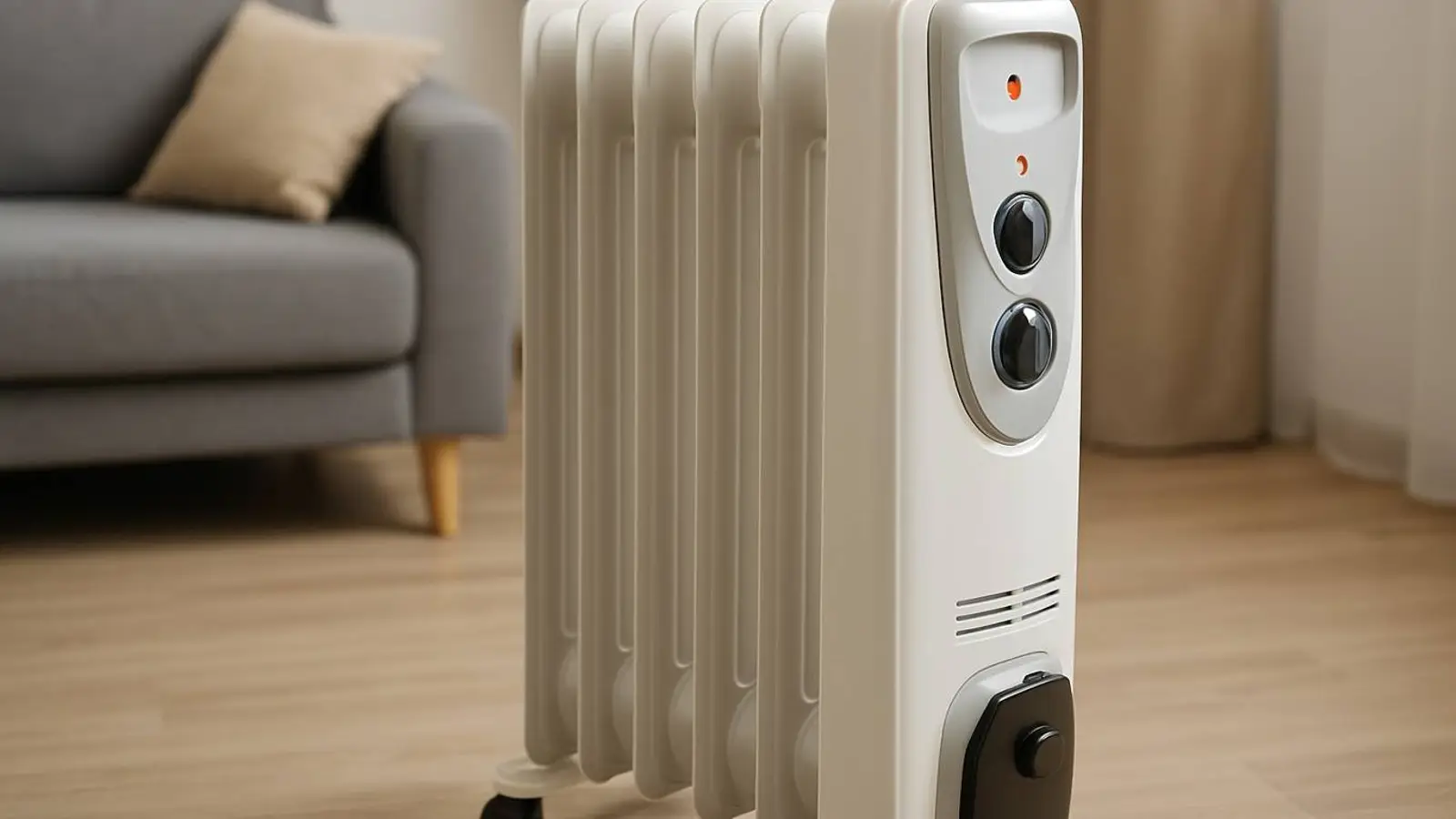
Generated by DALL·E
When the cold settles in faster than the central heating, space heaters become the season’s go-to rescue. Along with comfort, though, they often carry hidden risk. Fire services keep stressing that misuse of heating appliances remains one of the most common causes of residential fires.
To make a heater a source of warmth rather than worry, a handful of simple, non‑negotiable rules goes a long way.
The most common mistake: extension cords
Space heaters draw a lot of electricity. Plugging one into a cheap extension cord or a multi-plug adapter overheats the wiring.
The result can be:
- melted contacts,
- smoke from the casing,
- an extension cord that can ignite in mere minutes.
The right way is to plug the heater directly into a dedicated wall outlet—no sharing with a kettle, microwave or any other high‑draw appliance. It’s one corner that simply isn’t worth cutting.
Where you should never place a heater
A stream of heat can ignite nearby items even without touching them.
It’s risky to position a heater:
- right up against curtains,
- near a bed or blankets,
- close to rugs and upholstered furniture,
- under a desk or wedged into a tight corner.
Keep at least one meter of clearance from everything around it.
A crucial point: never leave it unattended
Even modern units with overheat protection aren’t immune to failure.
Experts emphasize that you shouldn’t leave a running heater in an empty room and shouldn’t fall asleep with it on, especially if it stands near the bed. A short circuit can be enough for flames to spread within minutes.
What people often overlook: dust
Built‑up dust acts like fuel. It settles inside the housing and on the heating elements; when switched on, it scorches and drives temperatures higher.
It helps to:
- disassemble and clean the unit before the season (if the design allows),
- wipe dust off the grilles and housing regularly.
Which heaters are safer
No appliance offers absolute protection, but some designs carry less risk.
Safer options include:
- oil‑filled radiators,
- convectors with overheat protection,
- ceramic heaters.
Higher‑risk options:
- old‑style coil fan heaters,
- home‑made or refurbished devices,
- units from unknown manufacturers without labeling.
Cords and outlets: the weak link
A heater’s cord should not warm up. If it feels hot to the touch during operation, the load is too high—stop using it.
The same goes for outlets:
- if the housing is warm,
- there’s a plastic smell,
- you hear crackling—
- all of these signal overheating and a potential fire.
Warmth should be safe
Space heaters have long been everyday helpers, but they demand care. Choosing a quality unit, plugging it in correctly and staying attentive to small details helps prevent fires and keeps winter comfortable. A little vigilance pays for itself many times over.