https://boda.su/en/posts/id3271-the-hidden-use-of-your-frying-pan-handle-hole-spoon-rest
The hidden use of your frying pan handle hole: spoon rest
Why your frying pan's handle hole doubles as a spoon rest
The hidden use of your frying pan handle hole: spoon rest
Discover the real purpose of the frying pan handle hole: a built-in spoon rest that keeps counters clean and prevents BPA exposure from overheated utensils.
2025-12-14T04:47:14+03:00
2025-12-14T04:47:14+03:00
2025-12-14T04:47:14+03:00
Most frying pans share a familiar detail: a small hole at the tip of the handle. Many people treat it purely as a way to hang the pan, and that’s indeed how it’s often used. But this little opening has another practical job that streamlines cooking and keeps the kitchen neater.More than a design detailCookware makers have long treated the handle hole as a versatile feature. It’s meant not only for storage on a hook, but also for holding utensils. The opening is just right for wooden, silicone, and plastic spoons—the ones you use to stir as you cook. Resting the spoon through the hole lets any sauce or oil drip back into the pan instead of onto the counter.Why this simple trick proves handier than it looksThis small setup sidesteps several everyday hassles. The counter stays clean, without the need for an extra plate or spoon rest. Food residue doesn’t smear across the work surface. The tool remains within easy reach, without constant shuffling. In short, it saves time and makes the whole process tidier.How the hole helps protect cookware and your healthSome cooks leave the spoon right in the pan. That’s risky for two reasons. A plastic or silicone spoon can melt—the pan’s heat easily damages those materials. And harmful substances, including bisphenol A (BPA), which is used in plastic production, can find their way into the food. Using the handle opening avoids that contact entirely: the spoon doesn’t heat to critical temperatures, and the dish stays safe.Why this feature existsThough it seems minor, manufacturers designed it for convenience and hygiene. The hole doubles as a spoon holder, making cooking noticeably more comfortable. Details like this rarely draw attention, yet they’re exactly what makes a kitchen feel thoughtfully designed and genuinely practical.
frying pan handle hole, spoon rest, kitchen tips, cookware, utensil holder, clean counters, BPA risk, silicone spoon, plastic spoon, melting, cooking hacks, safe cooking
2025
articles
Why your frying pan's handle hole doubles as a spoon rest
Discover the real purpose of the frying pan handle hole: a built-in spoon rest that keeps counters clean and prevents BPA exposure from overheated utensils.
Generated by DALL·E
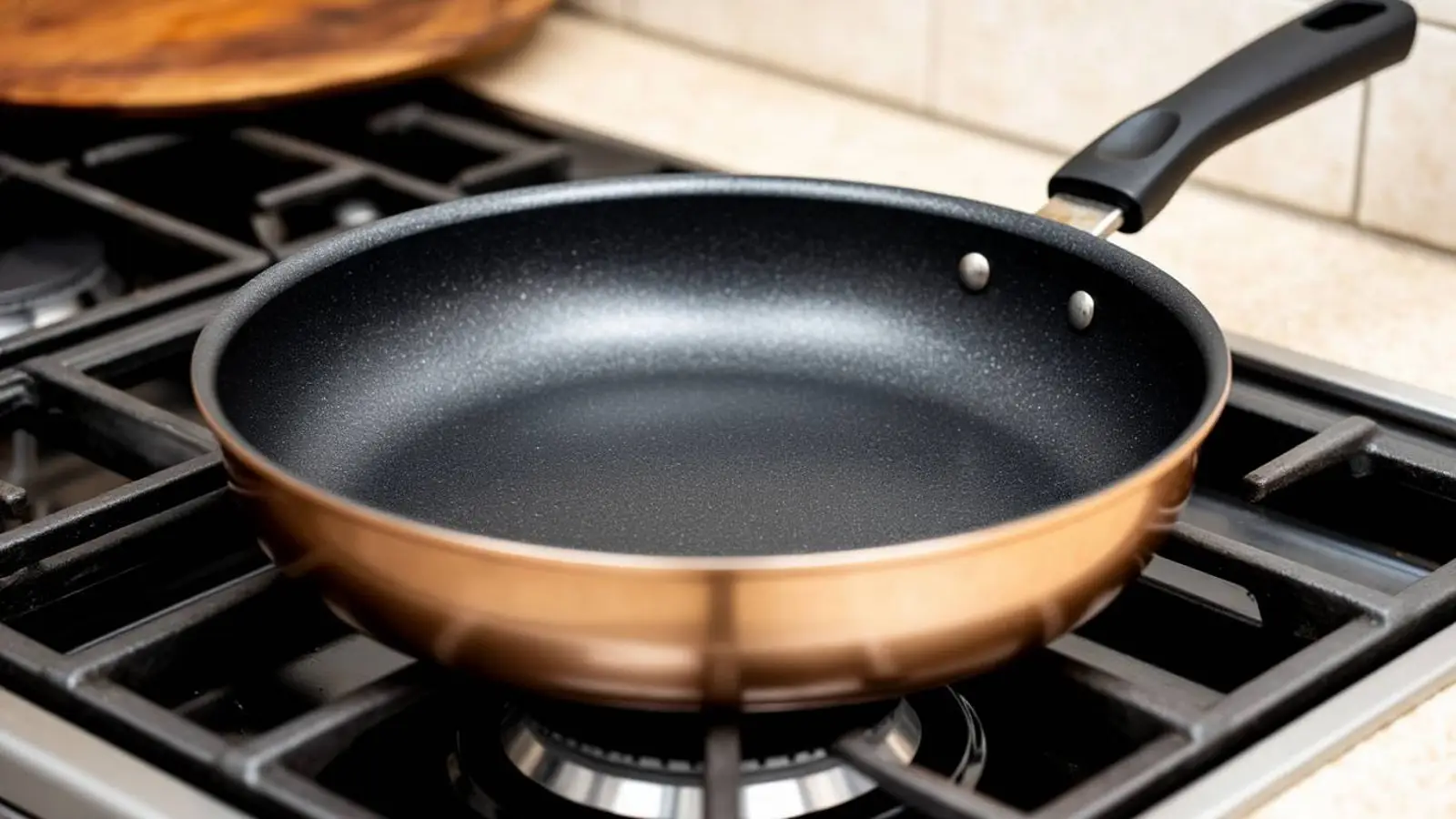
Most frying pans share a familiar detail: a small hole at the tip of the handle. Many people treat it purely as a way to hang the pan, and that’s indeed how it’s often used. But this little opening has another practical job that streamlines cooking and keeps the kitchen neater.
More than a design detail
Cookware makers have long treated the handle hole as a versatile feature. It’s meant not only for storage on a hook, but also for holding utensils. The opening is just right for wooden, silicone, and plastic spoons—the ones you use to stir as you cook. Resting the spoon through the hole lets any sauce or oil drip back into the pan instead of onto the counter.
Why this simple trick proves handier than it looks
This small setup sidesteps several everyday hassles. The counter stays clean, without the need for an extra plate or spoon rest. Food residue doesn’t smear across the work surface. The tool remains within easy reach, without constant shuffling. In short, it saves time and makes the whole process tidier.
How the hole helps protect cookware and your health
Some cooks leave the spoon right in the pan. That’s risky for two reasons. A plastic or silicone spoon can melt—the pan’s heat easily damages those materials. And harmful substances, including bisphenol A (BPA), which is used in plastic production, can find their way into the food. Using the handle opening avoids that contact entirely: the spoon doesn’t heat to critical temperatures, and the dish stays safe.
Why this feature exists
Though it seems minor, manufacturers designed it for convenience and hygiene. The hole doubles as a spoon holder, making cooking noticeably more comfortable. Details like this rarely draw attention, yet they’re exactly what makes a kitchen feel thoughtfully designed and genuinely practical.