https://boda.su/en/posts/id3171-home-electricity-safety-13-rules-to-prevent-fires-shocks
Home electricity safety: 13 rules to prevent fires, shocks
13 essential home electrical safety rules to follow
Home electricity safety: 13 rules to prevent fires, shocks
Protect your home with electrical safety tips: avoid overloaded outlets, match bulb wattage, use grounding and RCDs, spot hazards, and prevent fires now.
2025-12-13T08:30:40+03:00
2025-12-13T08:30:40+03:00
2025-12-13T08:30:40+03:00
Electricity at home feels routine until the smallest mistake turns it into a hazard. A few disciplined habits make all the difference — and they take less effort than dealing with the aftermath.Do not overload outlets and power stripsRisk: plugging a kettle, microwave and multicooker into one adapter is asking the circuit to do more than it can.Do it right:connect high‑power appliances to dedicated outlets;use a power strip with ample load capacity.Do not push furniture tight against outletsRisk: overheating and hidden softening of plastic components.Do it right: leave a 5–7 cm gap for airflow.Never twist wires togetherRisk: oxidation, heat buildup, and fire.Do it right:terminal blocks;factory clamps;soldering.Match bulb wattage to the fixtureRisk: a 100 W bulb in a 60 W socket overheats the fixture body.Do it right: use bulbs strictly within the stated rating.Water heaters and washing machines — only with groundingRisk: current leakage in a bathroom can be deadly.Do it right:ensure proper grounding is present;install an RCD.A warm or burnt‑smelling outlet is a warningRisk: melting contacts.Do it right:switch off the breaker;mark the circuit so it is not turned back on;call an electrician.Do not charge your phone on the bed or under a pillowRisk: overheating and fire.Do it right: charge on a hard surface with ventilation.Check string lights and power adaptersRisk: cheap models may lack overheating protection.Do it right: choose certified products and inspect the cables.Do not repair high‑power appliances yourselfRisk: capacitors can retain a charge and shock even when unplugged.Do it right: leave repairs to a professional.Keep batteries away from sun and heatersRisk: lithium‑ion cells can swell and rupture.Do it right: store them in a cool, dry place.In a short circuit, go to the breaker firstRisk: panic and random actions only escalate the problem.Do it right:switch off the breaker;make sure there is no smoke;then look for the fault.Never plug into a loose outlet at an angleRisk: arcing and melted contacts.Do it right: replace the outlet.The golden ruleIf something gets hot, sparks, smells odd, or runs erratically — turn it off immediately. It is simply not worth the risk.
home electrical safety, prevent electrical fires, overloaded outlets, power strips, bulb wattage, grounding, RCD, GFCI, loose outlets, phone charging safety, string lights, short circuit, electrician
2025
articles
13 essential home electrical safety rules to follow
Protect your home with electrical safety tips: avoid overloaded outlets, match bulb wattage, use grounding and RCDs, spot hazards, and prevent fires now.
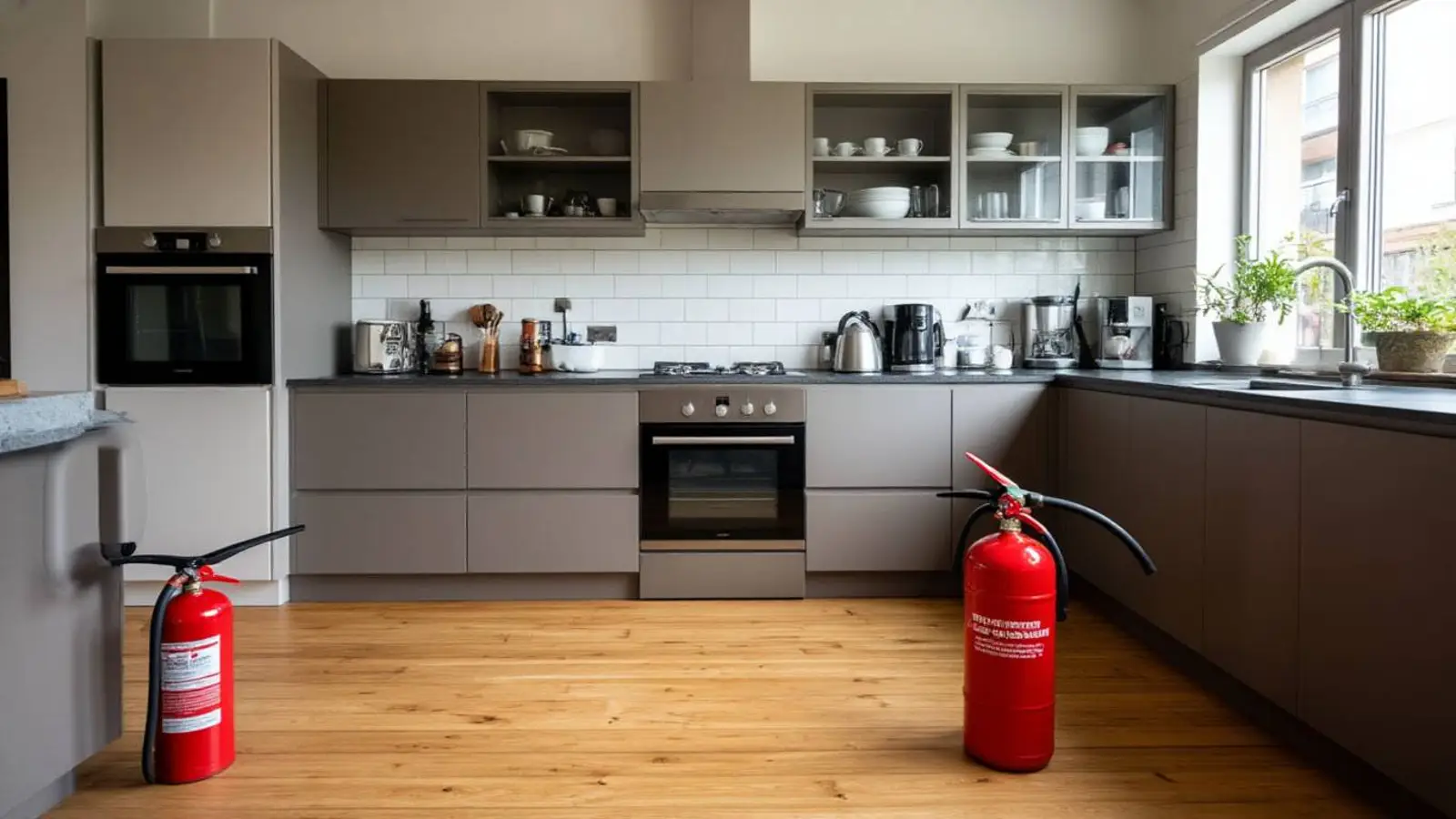
Generated by DALL·E
Electricity at home feels routine until the smallest mistake turns it into a hazard. A few disciplined habits make all the difference — and they take less effort than dealing with the aftermath.
Do not overload outlets and power strips
Risk: plugging a kettle, microwave and multicooker into one adapter is asking the circuit to do more than it can.
Do it right:
- connect high‑power appliances to dedicated outlets;
- use a power strip with ample load capacity.
Do not push furniture tight against outlets
Risk: overheating and hidden softening of plastic components.
Do it right: leave a 5–7 cm gap for airflow.
Never twist wires together
Risk: oxidation, heat buildup, and fire.
Do it right:
- terminal blocks;
- factory clamps;
- soldering.
Match bulb wattage to the fixture
Risk: a 100 W bulb in a 60 W socket overheats the fixture body.
Do it right: use bulbs strictly within the stated rating.
Water heaters and washing machines — only with grounding
Risk: current leakage in a bathroom can be deadly.
Do it right:
- ensure proper grounding is present;
- install an RCD.
A warm or burnt‑smelling outlet is a warning
Risk: melting contacts.
Do it right:
- switch off the breaker;
- mark the circuit so it is not turned back on;
- call an electrician.
Do not charge your phone on the bed or under a pillow
Risk: overheating and fire.
Do it right: charge on a hard surface with ventilation.
Check string lights and power adapters
Risk: cheap models may lack overheating protection.
Do it right: choose certified products and inspect the cables.
Do not repair high‑power appliances yourself
Risk: capacitors can retain a charge and shock even when unplugged.
Do it right: leave repairs to a professional.
Keep batteries away from sun and heaters
Risk: lithium‑ion cells can swell and rupture.
Do it right: store them in a cool, dry place.
In a short circuit, go to the breaker first
Risk: panic and random actions only escalate the problem.
Do it right:
- switch off the breaker;
- make sure there is no smoke;
- then look for the fault.
Never plug into a loose outlet at an angle
Risk: arcing and melted contacts.
Do it right: replace the outlet.
The golden rule
If something gets hot, sparks, smells odd, or runs erratically — turn it off immediately. It is simply not worth the risk.