https://boda.su/en/posts/id3051-tehran-s-hidden-qanats-iran-s-underground-water-legacy
Tehran’s hidden qanats: Iran’s underground water legacy
Tehran’s hidden qanats: tracing the city’s underground water
Tehran’s hidden qanats: Iran’s underground water legacy
Discover Tehran’s hidden qanats—ancient underground water channels that shaped Iran’s cities and farms. Learn their history, traces, and why they still matter.
2025-12-11T01:49:27+03:00
2025-12-11T01:49:27+03:00
2025-12-11T01:49:27+03:00
Beneath the roar of city traffic and the layers of Tehran’s asphalt may lie a forgotten thread of the past. That notion isn’t just romanticism: Iran once relied on a far-reaching network of underground water channels—qanats—that for centuries delivered water without a single pump. The Turistas portal notes with some regret that visible traces are growing scarce, and the few that remain often pass unnoticed by residents rushing above them.What is a qanat and why does it matter?A qanat is an underground tunnel gently sloping from the mountains toward settlements, allowing water to flow by gravity to homes and fields. Along the route, vertical shafts were dug so the system could be cleaned and inspected. This method of capturing and transporting water was devised in Persia more than three thousand years ago.In Iran’s arid climate, these constructions sustained communities: they supplied drinking water and made agriculture possible. In some villages, qanats still operate—and, remarkably, still do the job.What does this have to do with Tehran?The capital still keeps its secrets. There is no open, comprehensive data on a large qanat system beneath the city, yet individual testimonies persist. In the northeast, around Sohanak, locals continue to mention several such channels. They once provided water for drinking and irrigation, suggesting that similar underground conduits likely served parts of Tehran in the past.Why remember these channels?This is not only about history. Qanats form part of Iran’s cultural heritage, recognized by UNESCO. In rural areas they still support daily life and help safeguard water despite heat and scant rainfall.In megacities like Tehran, the picture is different: the channels are fading—filled in during construction, ignored, or dismissed as irrelevant. Given today’s water challenges, letting them disappear feels like a short-sighted loss that could weigh heavier than their modest footprint suggests.What can be done?There are options. First, it is crucial to document what remains: speak with long-time residents, examine archives, and consult old maps. Some channels may still run below ground, simply untouched for years.It is just as important to tell this story widely—heritage without public attention tends to vanish fastest.Qanats remind us that people once found elegant, low-tech solutions to survive in harsh environments. If Tehran wants to keep a line to its roots, the search might well begin in the city’s own subterranean layers of memory.
Tehran qanats, Iran underground water, Persian qanat history, UNESCO heritage, Tehran water management, Sohanak channels, ancient engineering, sustainable irrigation, Iranian architecture
2025
articles
Tehran’s hidden qanats: tracing the city’s underground water
Discover Tehran’s hidden qanats—ancient underground water channels that shaped Iran’s cities and farms. Learn their history, traces, and why they still matter.
Generated by DALL·E
Beneath the roar of city traffic and the layers of Tehran’s asphalt may lie a forgotten thread of the past. That notion isn’t just romanticism: Iran once relied on a far-reaching network of underground water channels—qanats—that for centuries delivered water without a single pump. The Turistas portal notes with some regret that visible traces are growing scarce, and the few that remain often pass unnoticed by residents rushing above them.
What is a qanat and why does it matter?
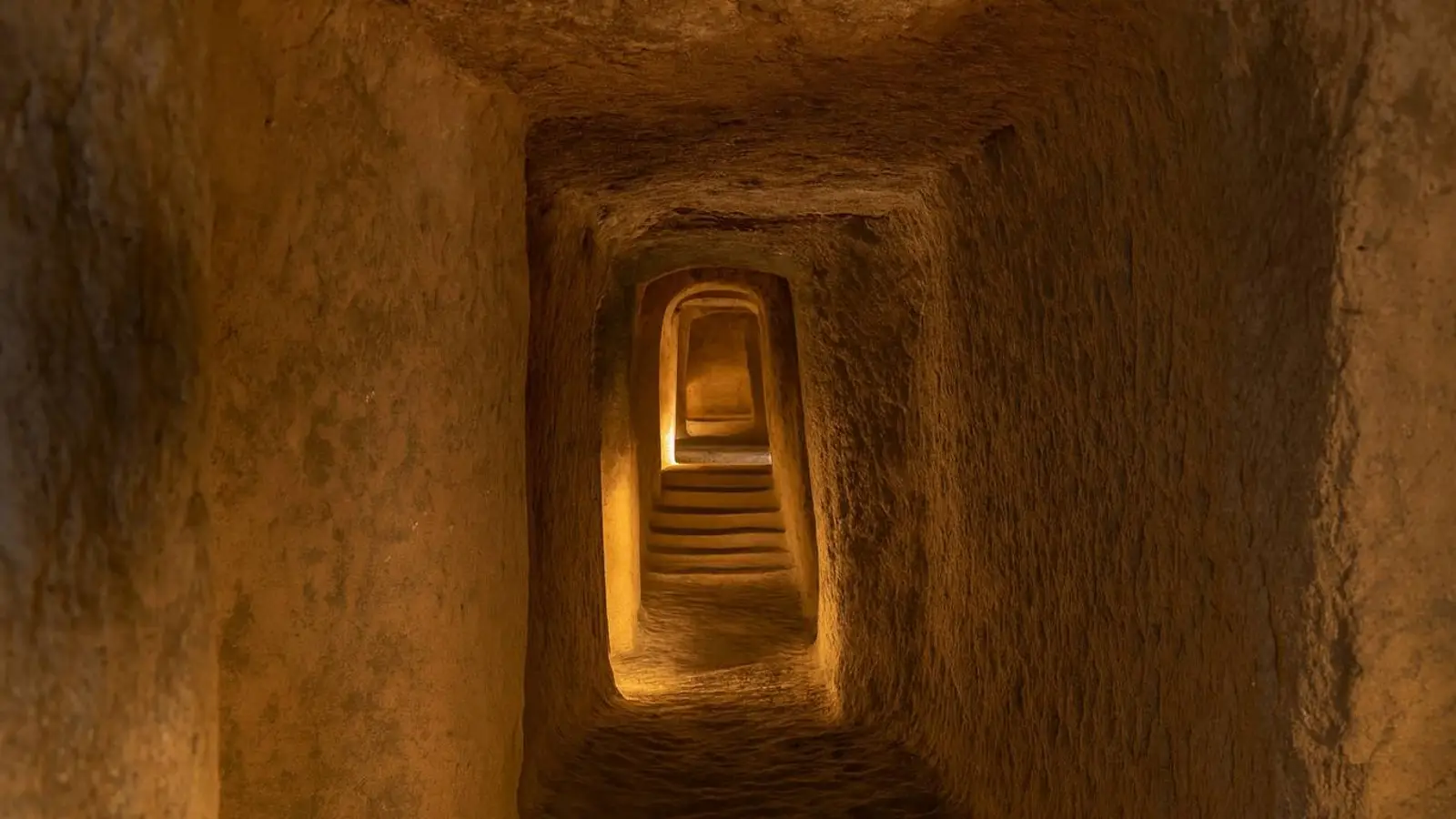
A qanat is an underground tunnel gently sloping from the mountains toward settlements, allowing water to flow by gravity to homes and fields. Along the route, vertical shafts were dug so the system could be cleaned and inspected. This method of capturing and transporting water was devised in Persia more than three thousand years ago.
In Iran’s arid climate, these constructions sustained communities: they supplied drinking water and made agriculture possible. In some villages, qanats still operate—and, remarkably, still do the job.
What does this have to do with Tehran?
The capital still keeps its secrets. There is no open, comprehensive data on a large qanat system beneath the city, yet individual testimonies persist. In the northeast, around Sohanak, locals continue to mention several such channels. They once provided water for drinking and irrigation, suggesting that similar underground conduits likely served parts of Tehran in the past.
Why remember these channels?
This is not only about history. Qanats form part of Iran’s cultural heritage, recognized by UNESCO. In rural areas they still support daily life and help safeguard water despite heat and scant rainfall.
In megacities like Tehran, the picture is different: the channels are fading—filled in during construction, ignored, or dismissed as irrelevant. Given today’s water challenges, letting them disappear feels like a short-sighted loss that could weigh heavier than their modest footprint suggests.
What can be done?
There are options. First, it is crucial to document what remains: speak with long-time residents, examine archives, and consult old maps. Some channels may still run below ground, simply untouched for years.
It is just as important to tell this story widely—heritage without public attention tends to vanish fastest.
Qanats remind us that people once found elegant, low-tech solutions to survive in harsh environments. If Tehran wants to keep a line to its roots, the search might well begin in the city’s own subterranean layers of memory.