https://boda.su/en/posts/id2931-japan-s-2025-cherry-blossoms-earlier-bloom-deeper-meaning
Japan's 2025 cherry blossoms: earlier bloom, deeper meaning
Cherry blossoms in Japan 2025: bloom dates, hanami, climate
Japan's 2025 cherry blossoms: earlier bloom, deeper meaning
Explore Japan's cherry blossoms: their symbolism, 2025 bloom dates from Tokyo to Uwajima, and how earlier flowering signals a warming climate across Japan.
2025-12-09T21:27:26+03:00
2025-12-09T21:27:26+03:00
2025-12-09T21:27:26+03:00
Every spring, Japan all but remakes itself: soft pink and white cherry blossoms drape the cities, turning the country into a vast living garden. People head to parks, share time with family and friends, lay out picnics and snap photos—savoring that brief window when nature glows brightest. Yet behind the familiar scene lies a deeper context that more and more points to a changing world.How cherry blossoms became a Japanese symbolRespect for the cherry tree took root centuries ago. In the past, its bloom served as a cue for farmers: the first buds signaled the start of fieldwork.Over time, the meaning expanded. The blossom became a metaphor for beauty and the fleeting nature of life—echoed by poets, writers, and musicians. The flowers open for only a few days before drifting to the ground, a quiet reminder that the most beautiful moments rarely last. In that fragility, many in Japan see a particular kind of harmony.Why Japan waits for the bloomFor people across the country, the bloom is more than a seasonal sight; it is an annual ritual. The tradition of hanami, literally “flower viewing,” brings together families, friends, and colleagues. Under the trees, people unwind and, for a moment, feel refreshed—tuned to the rhythm of spring.Cherry blossoms also align with new beginnings: this is when the school year starts and when many new employees enter the workplace. The season accompanies people at moments of change, as if underlining that a new cycle is underway.When did the blossoms open in 2025?Tracking the first blooms is a tradition of its own. The Japan Meteorological Agency publishes annual forecasts.In 2025, the first flowers opened on March 16 in Uwajima (Ehime Prefecture), and in Tokyo on March 24—five days earlier than last year. Earlier blooming was also seen elsewhere, including in Kochi and Kumamoto, where buds appeared on March 23.Why it matters: what the blossoms say about climateCherry trees begin to flower once the air warms past certain thresholds, so timing is directly linked to temperature. When they bloom earlier, it signals an earlier arrival of spring.Researchers note that in recent years the dates have indeed shifted. Springs are warmer, and cherry trees respond first. Scientists from Japan’s JIRCAS reported that Tokyo’s earlier bloom in 2025 is tied to higher temperatures.In that sense, the cherry blossom has become a quiet natural indicator—subtly reflecting how the climate is changing and reminding us that the shift is already underway.
Japan cherry blossoms 2025, hanami, early bloom, Tokyo, Uwajima, Kochi, Kumamoto, Japan Meteorological Agency, climate change, symbolism, spring, bloom dates
2025
articles
Cherry blossoms in Japan 2025: bloom dates, hanami, climate
Explore Japan's cherry blossoms: their symbolism, 2025 bloom dates from Tokyo to Uwajima, and how earlier flowering signals a warming climate across Japan.
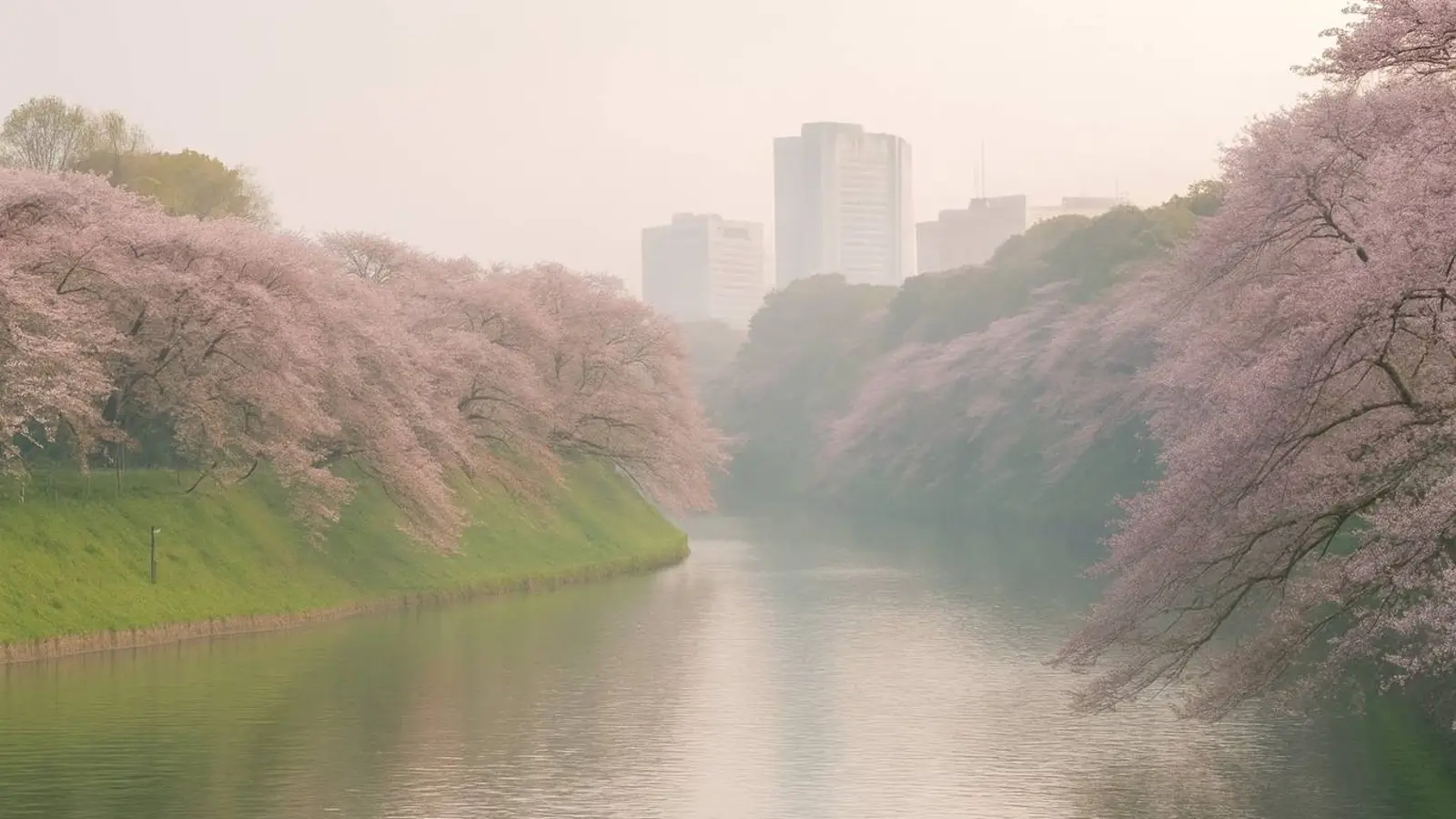
Generated by DALL·E
Every spring, Japan all but remakes itself: soft pink and white cherry blossoms drape the cities, turning the country into a vast living garden. People head to parks, share time with family and friends, lay out picnics and snap photos—savoring that brief window when nature glows brightest. Yet behind the familiar scene lies a deeper context that more and more points to a changing world.
How cherry blossoms became a Japanese symbol
Respect for the cherry tree took root centuries ago. In the past, its bloom served as a cue for farmers: the first buds signaled the start of fieldwork.
Over time, the meaning expanded. The blossom became a metaphor for beauty and the fleeting nature of life—echoed by poets, writers, and musicians. The flowers open for only a few days before drifting to the ground, a quiet reminder that the most beautiful moments rarely last. In that fragility, many in Japan see a particular kind of harmony.
Why Japan waits for the bloom
For people across the country, the bloom is more than a seasonal sight; it is an annual ritual. The tradition of hanami, literally “flower viewing,” brings together families, friends, and colleagues. Under the trees, people unwind and, for a moment, feel refreshed—tuned to the rhythm of spring.
Cherry blossoms also align with new beginnings: this is when the school year starts and when many new employees enter the workplace. The season accompanies people at moments of change, as if underlining that a new cycle is underway.
When did the blossoms open in 2025?
Tracking the first blooms is a tradition of its own. The Japan Meteorological Agency publishes annual forecasts.
In 2025, the first flowers opened on March 16 in Uwajima (Ehime Prefecture), and in Tokyo on March 24—five days earlier than last year. Earlier blooming was also seen elsewhere, including in Kochi and Kumamoto, where buds appeared on March 23.
Why it matters: what the blossoms say about climate
Cherry trees begin to flower once the air warms past certain thresholds, so timing is directly linked to temperature. When they bloom earlier, it signals an earlier arrival of spring.
Researchers note that in recent years the dates have indeed shifted. Springs are warmer, and cherry trees respond first. Scientists from Japan’s JIRCAS reported that Tokyo’s earlier bloom in 2025 is tied to higher temperatures.
In that sense, the cherry blossom has become a quiet natural indicator—subtly reflecting how the climate is changing and reminding us that the shift is already underway.