https://boda.su/en/posts/id2861-ar-ruwais-uae-industrial-town-with-an-unexpected-beach
Ar-Ruwais, UAE: industrial town with an unexpected beach
Ar-Ruwais beach: can you really swim in this UAE oil town?
Ar-Ruwais, UAE: industrial town with an unexpected beach
Explore Ar-Ruwais, UAE—an industrial town with a little-known beach. What’s open, who can visit, and is the water safe? We sift facts, gaps, and what’s needed.
2025-12-09T07:50:26+03:00
2025-12-09T07:50:26+03:00
2025-12-09T07:50:26+03:00
Ar-Ruwais is a small town on the Persian Gulf in the UAE, seldom touted as a holiday spot. A vast oil refinery and gas and chemical plants set the tone. Yet daily life isn’t confined to pipelines and smokestacks: there are residential neighborhoods, schools, shops—and even a shoreline. The TURISTAS portal found directory entries describing the local beach as a place to relax by the water, sunbathe, and swim, an unexpected prospect for an industrial hub.How this coastal town came to beOnce, there was only desert here. In the 1970s, authorities decided to build a major industrial center in the area. By 1982, the project was complete, and the town took shape as a key site for oil processing. Housing for employees and their families grew alongside the plants. Today, Ar-Ruwais has a hospital, schools, supermarkets, recreation areas, and even a beach club. The result is a place where work and everyday life coexist rather than compete.Can people really go to the beach here?Some reference sources do confirm a beach in Ar-Ruwais and present it as a spot for leisure and swimming. They also mention a beach club created specifically for residents. However, recent photos, reviews, or social media posts are hard to find. Over the past year there have been no reports of regular seaside outings, swimming, or events on the waterfront. There’s also no data on water quality, environmental conditions, or safety levels—questions that matter all the more with large-scale refining operations next door. It leaves the basics unresolved: how clean is the water, and is swimming advisable?What remains unclearWhether the beach is open to everyone or limited to residents and employees.How actively it is used today.Whether there are any recent assessments of water quality and sanitary conditions along the shore.Why it mattersAr-Ruwais shows how a desert site can become not just an industrial platform but a functioning town with everyday infrastructure. A beach beside refineries is unusual and naturally draws attention. It could signal a careful balance between industry and urban life—or a reminder that such places warrant closer scrutiny. Without verified information, judging the safety of seaside recreation is impossible, and assumptions cut little ice here.What should happen nextTo understand the reality on the ground, there’s a need for:independent accounts from residents or visitors;current data on water and air conditions;clarity on how often the beach is used and by whom.For now, one fact stands: in a town where giant plants operate around the clock, there is indeed a beach. The lingering question is whether people actually use it—and whether they should.
Ar-Ruwais, UAE, industrial town, beach, Persian Gulf, beach club, swimming safety, water quality, Ruwais refinery, access rules, residents, environmental conditions, travel guide
2025
articles
Ar-Ruwais beach: can you really swim in this UAE oil town?
Explore Ar-Ruwais, UAE—an industrial town with a little-known beach. What’s open, who can visit, and is the water safe? We sift facts, gaps, and what’s needed.
© A. Krivonosov
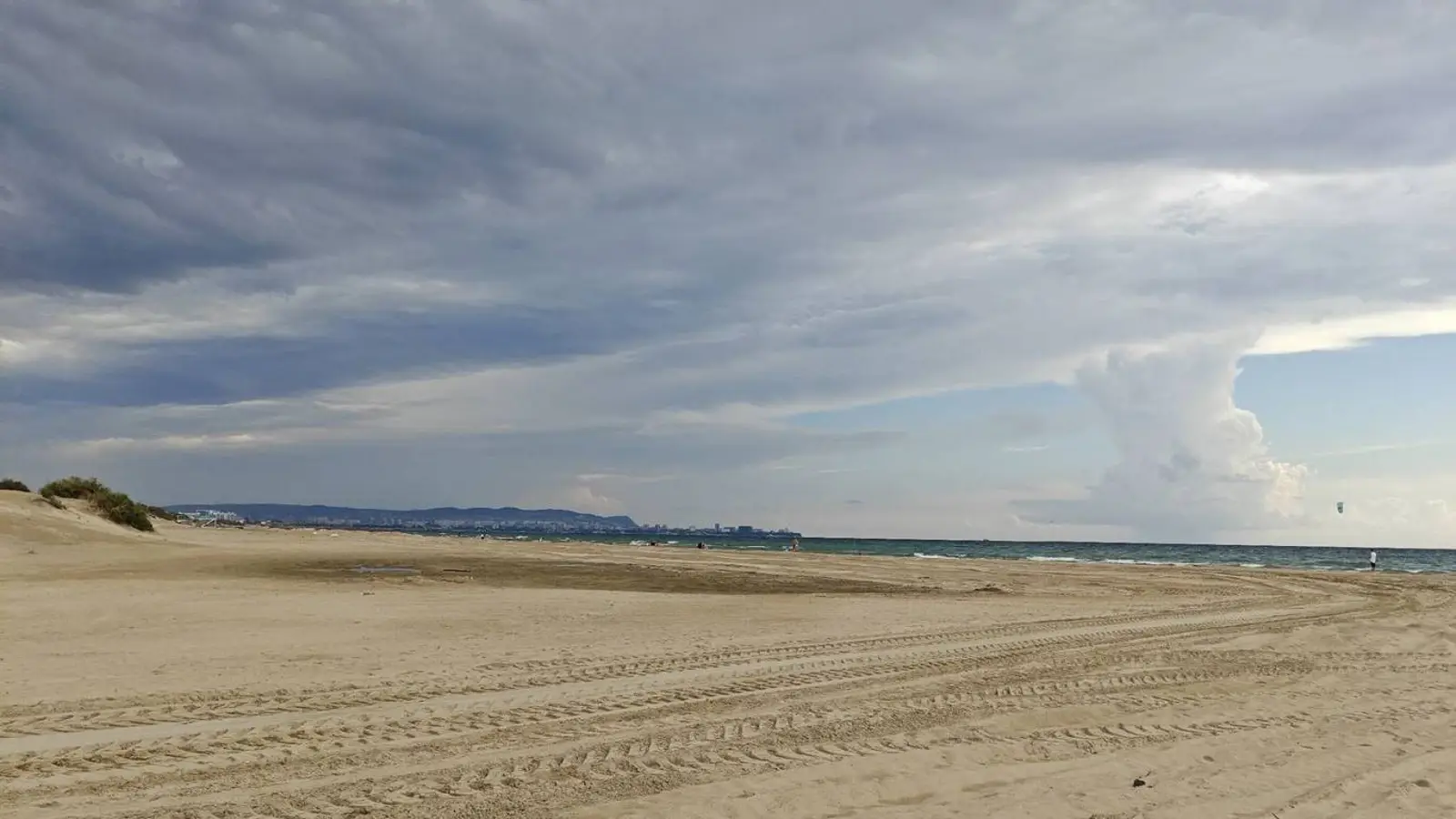
Ar-Ruwais is a small town on the Persian Gulf in the UAE, seldom touted as a holiday spot. A vast oil refinery and gas and chemical plants set the tone. Yet daily life isn’t confined to pipelines and smokestacks: there are residential neighborhoods, schools, shops—and even a shoreline. The TURISTAS portal found directory entries describing the local beach as a place to relax by the water, sunbathe, and swim, an unexpected prospect for an industrial hub.
How this coastal town came to be
Once, there was only desert here. In the 1970s, authorities decided to build a major industrial center in the area. By 1982, the project was complete, and the town took shape as a key site for oil processing. Housing for employees and their families grew alongside the plants. Today, Ar-Ruwais has a hospital, schools, supermarkets, recreation areas, and even a beach club. The result is a place where work and everyday life coexist rather than compete.
Can people really go to the beach here?
Some reference sources do confirm a beach in Ar-Ruwais and present it as a spot for leisure and swimming. They also mention a beach club created specifically for residents. However, recent photos, reviews, or social media posts are hard to find. Over the past year there have been no reports of regular seaside outings, swimming, or events on the waterfront. There’s also no data on water quality, environmental conditions, or safety levels—questions that matter all the more with large-scale refining operations next door. It leaves the basics unresolved: how clean is the water, and is swimming advisable?
What remains unclear
- Whether the beach is open to everyone or limited to residents and employees.
- How actively it is used today.
- Whether there are any recent assessments of water quality and sanitary conditions along the shore.
Why it matters
Ar-Ruwais shows how a desert site can become not just an industrial platform but a functioning town with everyday infrastructure. A beach beside refineries is unusual and naturally draws attention. It could signal a careful balance between industry and urban life—or a reminder that such places warrant closer scrutiny. Without verified information, judging the safety of seaside recreation is impossible, and assumptions cut little ice here.
What should happen next
To understand the reality on the ground, there’s a need for:
- independent accounts from residents or visitors;
- current data on water and air conditions;
- clarity on how often the beach is used and by whom.
For now, one fact stands: in a town where giant plants operate around the clock, there is indeed a beach. The lingering question is whether people actually use it—and whether they should.