https://boda.su/en/posts/id2771-make-superglue-set-slower-with-a-simple-desiccant-trick
Make superglue set slower with a simple desiccant trick
How to slow down superglue: a simple desiccant method
Make superglue set slower with a simple desiccant trick
Slow superglue curing with a simple desiccant trick. Mix granules with a drop on painter's tape for a thicker, gel-like adhesive and time for precise repairs.
2025-12-08T13:12:40+03:00
2025-12-08T13:12:40+03:00
2025-12-08T13:12:40+03:00
Superglue is indispensable, yet it can be unforgiving. It often sets faster than you can align the parts, and the outcome is all too familiar: fingers stuck together and a repair that looks uneven. It stings even more with delicate items—an eyeglass arm, a display model, or the handle of a favorite mug.So the question is whether instant adhesive can be slowed down long enough—ideally, to buy a few extra minutes for careful work. It turns out the answer is yes, and it doesn’t require any special chemicals.The secret: a desiccantThe method is straightforward. It turns thin, runny glue into a thicker, more manageable gel-like mix. All you need is regular superglue, a strip of painter’s tape, and an absorbent material—the small moisture-absorbing packets often tucked into boxes with shoes, bags, or electronics.How to make slower-setting glueStart by setting up your workspace. Stick a strip of painter’s tape onto a clean table surface; it will act as a simple palette and protect the table. Sprinkle a small pinch of the absorbent granules onto the tape. Next to it, add a drop of standard superglue. Gently combine the glue and the granules with the tip of a toothpick or an old brush. The mixture will thicken quickly and become more viscous.Why it worksThe absorbent plays a dual role. First, it soaks up some of the glue’s liquid base, giving the mixture a thicker consistency. Second, the granules always carry trace moisture on their surface. When the adhesive meets that micro-layer of water, it starts to polymerize slightly right in the mix, which also contributes to the thickening.The real advantage: timeThis approach comes with a so‑called drawback that, in practice, turns into a major benefit: the glue stops being “instant.” It sets more slowly. That extra breathing room makes it possible to position parts precisely, adjust the alignment, and only then lock everything in place. The repair shifts from a frantic race to a calm, accurate process—exactly what fragile fixes need.With just a standard tube and a packet from a box, there’s no need to hunt for a special gel adhesive—you can easily make a workable alternative yourself.
slow superglue, slow-setting super glue, desiccant packet, thicken superglue, DIY repair, cyanoacrylate gel, painter's tape, precise alignment, slow cure adhesive, how to slow super glue
2025
articles
How to slow down superglue: a simple desiccant method
Slow superglue curing with a simple desiccant trick. Mix granules with a drop on painter's tape for a thicker, gel-like adhesive and time for precise repairs.
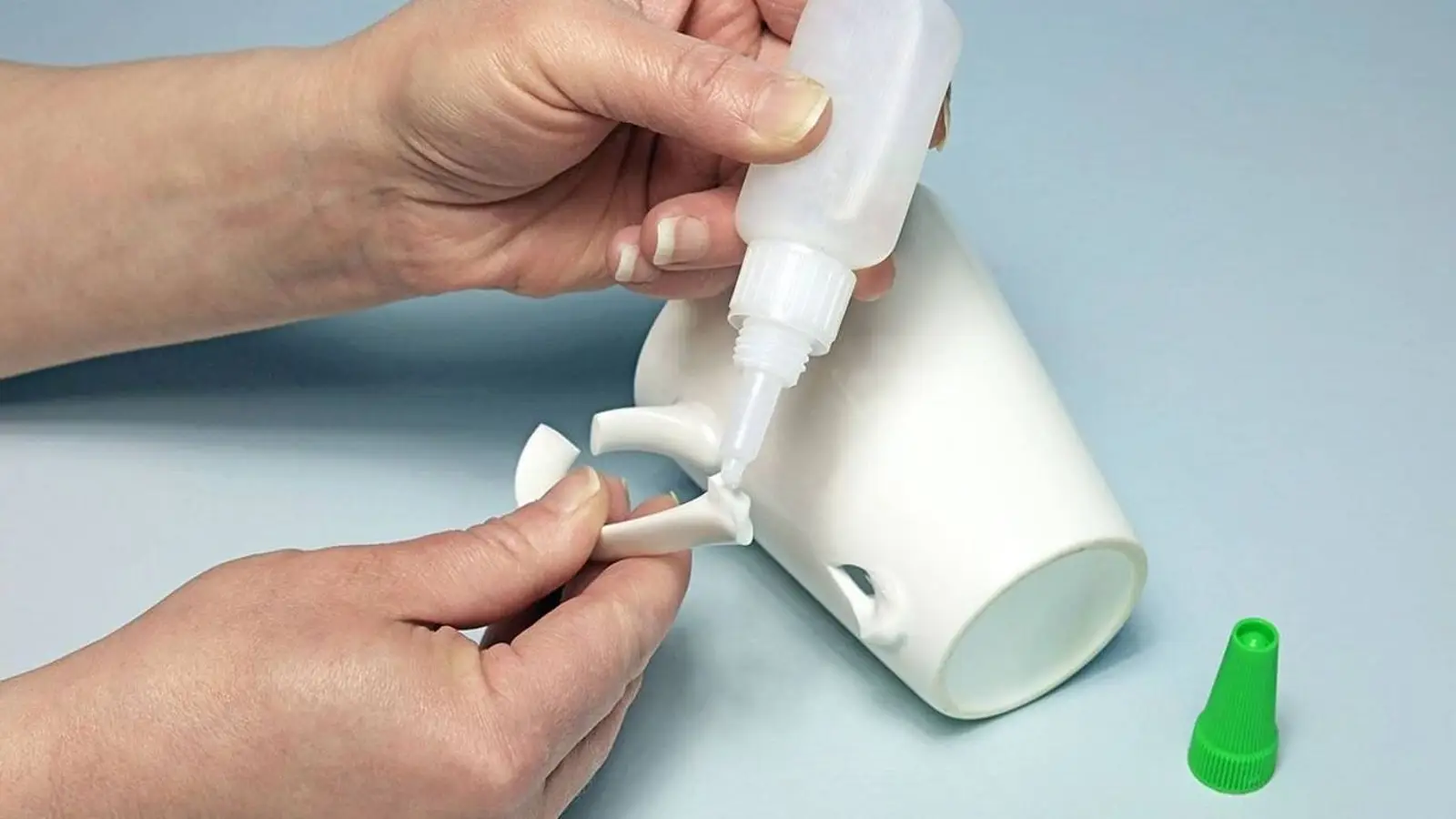
Generated by DALL·E
Superglue is indispensable, yet it can be unforgiving. It often sets faster than you can align the parts, and the outcome is all too familiar: fingers stuck together and a repair that looks uneven. It stings even more with delicate items—an eyeglass arm, a display model, or the handle of a favorite mug.
So the question is whether instant adhesive can be slowed down long enough—ideally, to buy a few extra minutes for careful work. It turns out the answer is yes, and it doesn’t require any special chemicals.
The secret: a desiccant
The method is straightforward. It turns thin, runny glue into a thicker, more manageable gel-like mix. All you need is regular superglue, a strip of painter’s tape, and an absorbent material—the small moisture-absorbing packets often tucked into boxes with shoes, bags, or electronics.
How to make slower-setting glue
Start by setting up your workspace. Stick a strip of painter’s tape onto a clean table surface; it will act as a simple palette and protect the table. Sprinkle a small pinch of the absorbent granules onto the tape. Next to it, add a drop of standard superglue. Gently combine the glue and the granules with the tip of a toothpick or an old brush. The mixture will thicken quickly and become more viscous.
Why it works
The absorbent plays a dual role. First, it soaks up some of the glue’s liquid base, giving the mixture a thicker consistency. Second, the granules always carry trace moisture on their surface. When the adhesive meets that micro-layer of water, it starts to polymerize slightly right in the mix, which also contributes to the thickening.
The real advantage: time
This approach comes with a so‑called drawback that, in practice, turns into a major benefit: the glue stops being “instant.” It sets more slowly. That extra breathing room makes it possible to position parts precisely, adjust the alignment, and only then lock everything in place. The repair shifts from a frantic race to a calm, accurate process—exactly what fragile fixes need.
With just a standard tube and a packet from a box, there’s no need to hunt for a special gel adhesive—you can easily make a workable alternative yourself.