
How to choose home air fresheners: types, uses, top models
Learn the main types of home air fresheners, how they work, where to use them, key features and safety notes, plus top models and tips to choose a scent.
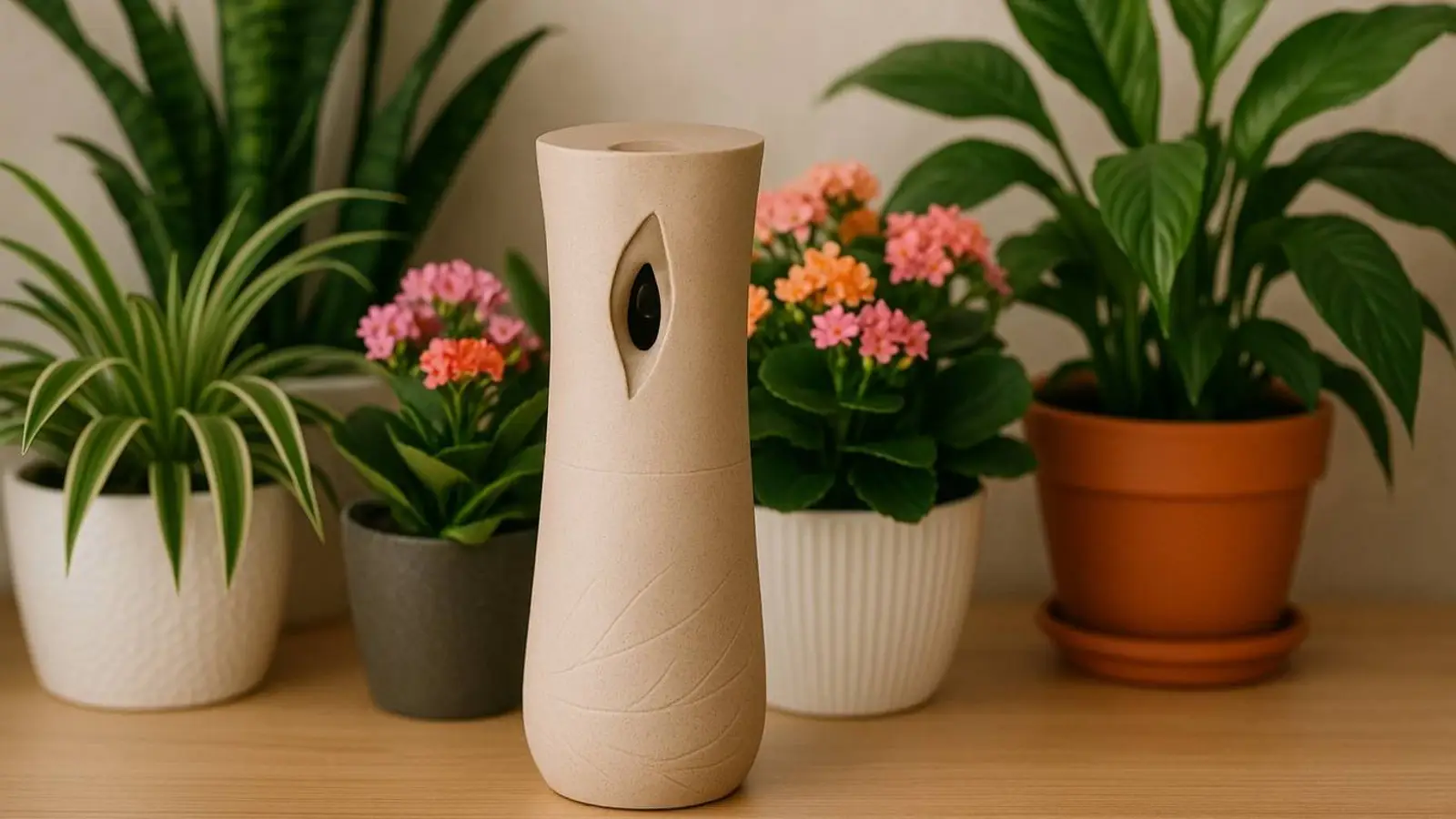
Generated by DALL·E
Air fresheners have long become a household staple. They help neutralize unwanted odors and set a pleasant mood from room to room. With so many formats and fragrances on the shelves, it pays to understand how each type works and where it makes the most sense.
Main types of air fresheners
Broadly, fresheners fall into two categories: manual and automatic. Manual options activate with a button press, while automatic systems work on a timer and keep a steady scent going without your input.
Aerosol sprays
The classic choice for tackling odors fast. These cans suit kitchens, bathrooms, or hallways when you need an immediate fix. In practice, this format is ideal for targeted, on-the-spot use.
Gel fresheners
Compact gel blocks are handy for small spaces. They evaporate gradually and leave a light background scent. People often place them in closets, wardrobes, tiny rooms, or near the source of the smell.
Automatic dispensers
These systems pair a device with a replaceable canister. You can set spray intervals from 5 to 60 minutes; some models offer a day/night mode or a motion sensor. They work well in bathrooms, corridors, living rooms, and even larger areas when a constant fragrance is the goal.
Electric diffusers
Plug-in devices that evaporate a scented liquid. Most have intensity controls, and a single cartridge may last several weeks. They are convenient for small rooms, entryways, and kitchens.
Reed diffusers
A bottle of fragrance with reed sticks creates a soft, lasting background scent, often chosen for bedrooms and living rooms. Reviews sometimes note a natural composition, though it is worth keeping potential sensitivity to essential oils in mind.
Toilet blocks
Used inside the toilet bowl to combat persistent odors. Guidance typically emphasizes placing the block in the strongest water flow and handling it with gloves.
Specialized neutralizers
Some products target specific tasks: for toilets, for kitchens, for homes with pets, or for footwear. They come into play when standard scents are not enough.
How to choose: key criteria
Room size and purpose
For larger spaces, gel and automatic options tend to perform better. For small areas, choose aerosols or compact devices. If you want a continuous background with minimal effort, automatic and electric solutions are the practical route.
Use case
Need to remove a smell quickly? Go for an aerosol. For a steady, gentle fragrance, pick a reed diffuser, a plug-in, or an automatic dispenser.
Ingredients and safety
Reviews underscore that there is no universally safe freshener: allergies can occur with any component, including natural oils. It is wiser to read the label closely, especially if there are children, allergy-prone family members, or pets at home. Some products feature a natural propellant or minimal synthetics, yet even those can trigger reactions.
Fragrance
Manufacturers often suggest matching scents to rooms:
- floral for bedrooms and living rooms;
- citrus for kitchens, bathrooms, and home offices;
- fruity for kitchens and bathrooms;
- fresh or marine for bathrooms, hallways, and closets.
This helps set the right atmosphere without feeling overpowering. A subtle background scent usually reads as more comfortable day to day.
Longevity
Aerosols act fast but fade quickly. Automatic and electric systems can last several weeks, though they require regular cartridge changes. If saving time matters, these formats often prove more convenient over the long haul.
Device features
Some dispensers offer a timer, adjustable intervals, light and motion sensors, an LCD display, intensity controls, and a low-canister indicator. These features help monitor consumption and fine-tune scent strength—useful when you want predictable results.
Cost and refills
Consider not only the price of the device but also the cost of refills. Certain brands work only with proprietary cartridges, which raises ongoing expenses. If flexibility matters, check compatibility in advance; it is smarter to treat this as part of your budget, not an afterthought.
Popular models
Automatic and electric devices
- Airwick Freshmatic — a dispenser with multiple modes and a light sensor.
- NEW GALAXY automatic freshener — a unit with several modes and long-lasting performance.
- Breesal electric diffuser — a design with intensity control and natural compositions.
- Connex, BXG-AR-6016, Ksitex PD-6D — models frequently used across different room sizes, including public spaces.
Aerosol options
- Glade Green Apple — a spray with a natural propellant, noted for handling stubborn odors well.
- Chirton Light Air — an aerosol with natural oils and a dry spray.
- Air Wick Hawaiian Rhythm — a fruity scent suited to kitchens and bathrooms.
Diffusers and gel formats
- Breesal, Kobayashi, Synergetic, AROTERRA, Parfum Francais — ranges offered in multiple formats, from gel blocks to aromatic liquids.
Practical recommendations
Drawing on all sources, a few general tips stand out:
- match the format to room size and the effect you want;
- read the ingredient list carefully, especially if you are sensitive to scents;
- choose fragrance notes that fit the room’s purpose;
- factor in longevity and the price of refills;
- prevent oils from contacting fabrics or delicate surfaces;
- install toilet blocks where the water flow is strongest.
Editorial view
The right air freshener depends on the task at hand: eliminating an odor quickly, setting a gentle background, or keeping a room fresh with minimal effort. The market spans everything from aerosols to automatic and electric systems, and each shines in the right context. Before buying, consider room size, ingredients, fragrance profile, and how long the effect should last. This straightforward approach makes it easier to choose a solution that performs well and keeps your home comfortable.