https://boda.su/en/posts/id2511-identify-power-supply-polarity-with-a-simple-bubble-test
Identify power supply polarity with a simple bubble test
How to find power supply polarity without a multimeter
Identify power supply polarity with a simple bubble test
Learn a quick method to identify power supply polarity using salty water electrolysis. Spot bubbles to tell positive from negative when no multimeter is around.
2025-12-06T09:51:33+03:00
2025-12-06T09:51:33+03:00
2025-12-06T09:51:33+03:00
Sometimes in a garage or a country house, a simple yet important question comes up: on a power supply, which lead is positive and which is negative? A meter isn’t always within reach, and the wires can look identical. These days most people grab a multimeter, but earlier they improvised—and the trick passed down from old-timers still does the job.Where the unusual method came fromThe essence of this garage-born solution is ordinary electrolysis. All it takes is a 12 V power supply, two wires, and a common kitchen item. It may seem almost too simple for “science,” but that’s exactly what lets you identify polarity without any instruments.The only condition is that this item contains water and a bit of salt. In such a medium, electricity passes well enough to make the reaction easy to spot.How it worksWhen direct current is applied to a salty, damp environment, electrolysis kicks in. Hydrogen is released at the negative lead, while oxygen forms at the positive. The reaction is quick and visible. Dip the wire tips and switch on the power:a cloud of fine bubbles appears at the negative lead,there are fewer bubbles at the positive lead.It turns into a simple visual test you can run anywhere—from the garage to the kitchen.Where the old trick helpsThis method helps to:identify the polarity of an old power supply,check homemade connected leads,make sense of batteries and terminals,show children how electricity works in a hands-on way.It’s a safe household experiment that often explains the basics of physics more vividly than a textbook.Why many still use itThe method needs no instruments, works with a bare minimum of items, and delivers results instantly. It can help when there’s no multimeter at hand or its batteries have died. And the appeal is hard to miss—the bubbles appear right before your eyes.
power supply polarity, positive and negative leads, identify polarity without multimeter, electrolysis test, salty water bubble test, 12V power supply, battery terminals, DIY garage trick, home DIY
2025
articles
How to find power supply polarity without a multimeter
Learn a quick method to identify power supply polarity using salty water electrolysis. Spot bubbles to tell positive from negative when no multimeter is around.
Generated by DALL·E
Sometimes in a garage or a country house, a simple yet important question comes up: on a power supply, which lead is positive and which is negative? A meter isn’t always within reach, and the wires can look identical. These days most people grab a multimeter, but earlier they improvised—and the trick passed down from old-timers still does the job.
Where the unusual method came from
The essence of this garage-born solution is ordinary electrolysis. All it takes is a 12 V power supply, two wires, and a common kitchen item. It may seem almost too simple for “science,” but that’s exactly what lets you identify polarity without any instruments.
The only condition is that this item contains water and a bit of salt. In such a medium, electricity passes well enough to make the reaction easy to spot.
How it works
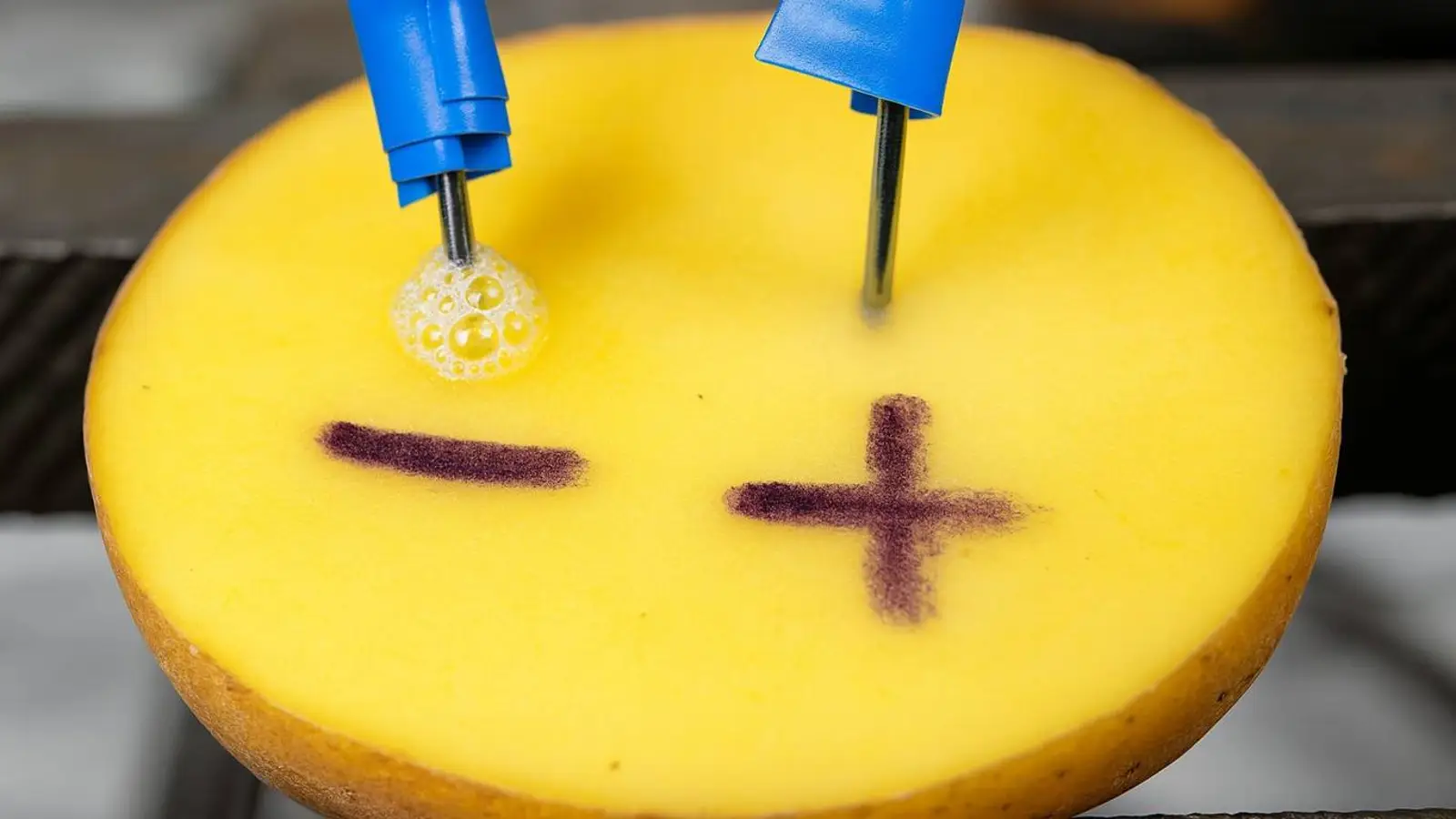
When direct current is applied to a salty, damp environment, electrolysis kicks in. Hydrogen is released at the negative lead, while oxygen forms at the positive. The reaction is quick and visible. Dip the wire tips and switch on the power:
- a cloud of fine bubbles appears at the negative lead,
- there are fewer bubbles at the positive lead.
It turns into a simple visual test you can run anywhere—from the garage to the kitchen.
Where the old trick helps
This method helps to:
- identify the polarity of an old power supply,
- check homemade connected leads,
- make sense of batteries and terminals,
- show children how electricity works in a hands-on way.
It’s a safe household experiment that often explains the basics of physics more vividly than a textbook.
Why many still use it
The method needs no instruments, works with a bare minimum of items, and delivers results instantly. It can help when there’s no multimeter at hand or its batteries have died. And the appeal is hard to miss—the bubbles appear right before your eyes.