
How to prevent bathroom mold: ventilation and humidity control
Prevent bathroom mold with practical tips: remove surface water, ventilate after showers, track humidity with a hygrometer, and know when to call pros.
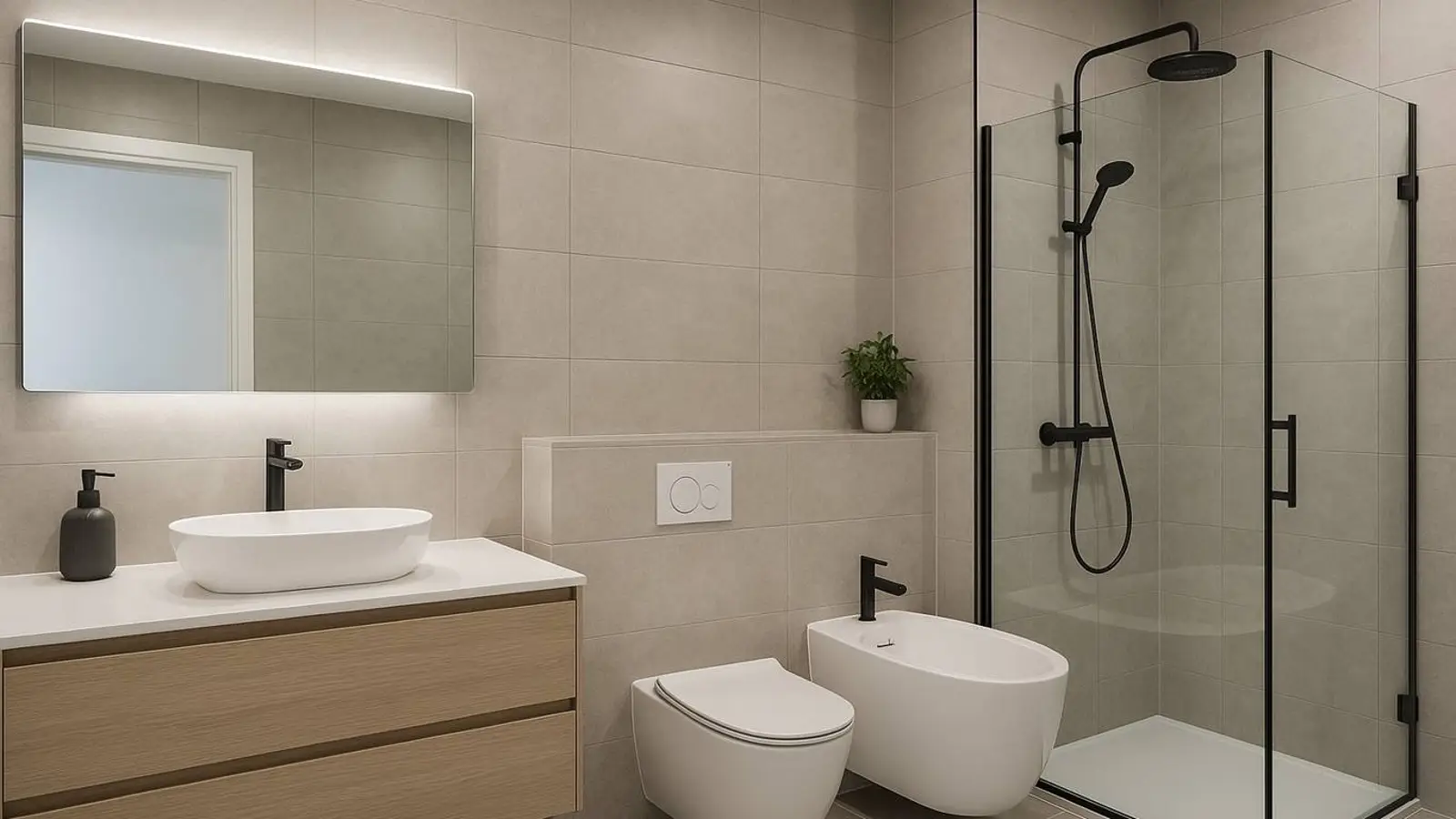
Generated by DALL·E
It is easy for a bathroom to become a breeding ground for mold: lingering humidity after a shower or hot bath quickly turns it into a welcoming habitat for fungi. Scientists note that the microbiome of our homes includes bacteria, viruses, and fungi that enter from outside, arrive on shoes, or come in with pets. Most microorganisms are harmless, but the picture changes when mold shows up: you can see it, you can smell it, and that is when the problems begin.
When Moisture Turns into a Risk
Mold can trigger allergic reactions ranging from nasal congestion and a runny nose to itchy eyes. In people with asthma, it may provoke attacks, and in those with immune disorders or lung disease, it can cause an immune-mediated illness marked by coughing, shortness of breath, and fatigue.
Experts at the Centers for Disease Control and Prevention say that visible mold is a direct signal of humidity mismanagement or water problems.
According to the Environmental Protection Agency, indoor relative humidity should stay between 30 and 50 percent. Anything higher raises the risk of mold growth. Bathrooms are especially prone: researchers observe that water can remain on surfaces for several hours, and that pause is enough for fungi to gain a foothold.
How to Prevent Mold
Reduce water on surfaces
After showering, it helps to remove water from shower walls with a squeegee or a dry cloth. When moisture is wiped away by hand, it does not need to evaporate, and evaporation is almost the only natural way for it to leave the room. The less lingering vapor, the lower the risk of mold. A small chore here pays off.
Mind ventilation and humidity
During and after a shower, open a window or run an exhaust fan that vents air outdoors. A simple cue works well: keep ventilating until the mirror no longer fogs up. That is how water vapor leaves the room.
Let the shower curtain dry
Keep the curtain stretched out, leaving about 15 centimeters of free space on both sides so air can circulate between the shower and the rest of the bathroom. If there is a door, it is best to leave it slightly open. A folded curtain stays damp longer, practically inviting mold.
By specialists’ estimates, the aim is to reduce bathroom drying time to roughly an hour.
What Else to Keep in Mind
Leave the bathroom door open after a shower
This speeds up air circulation. In most homes, that extra humidity will not cause problems elsewhere because the air in other rooms is drier. The exceptions are bathrooms that open into enclosed areas such as basements, or setups where ventilation routes moist air into an attic, which can lead to mold there.
Use a hygrometer
An inexpensive device helps you track humidity. If it consistently exceeds 50 percent, consider a dehumidifier: it draws in moist air, cools it until condensation forms, and returns warm, dry air to the room.
Remove mold if it appears
If the affected area is under 10 square feet (about 3×3 feet), it can be handled independently by following Environmental Protection Agency guidance: use protective gear, scrub mold from hard surfaces, and discard porous materials if needed. If the area is larger, or there are health risks, bring in professionals.
In the end, simple habits make the biggest difference: leave the shower curtain or door open, remove excess water, and keep air moving. These steps help the room dry faster and noticeably reduce the odds of mold appearing.