
Protect your plumbing: insulating water lines from freezing
Learn how to insulate water pipes for winter: which lines need protection, the best heat cables and foamed polymer insulation, plus a step-by-step install guide
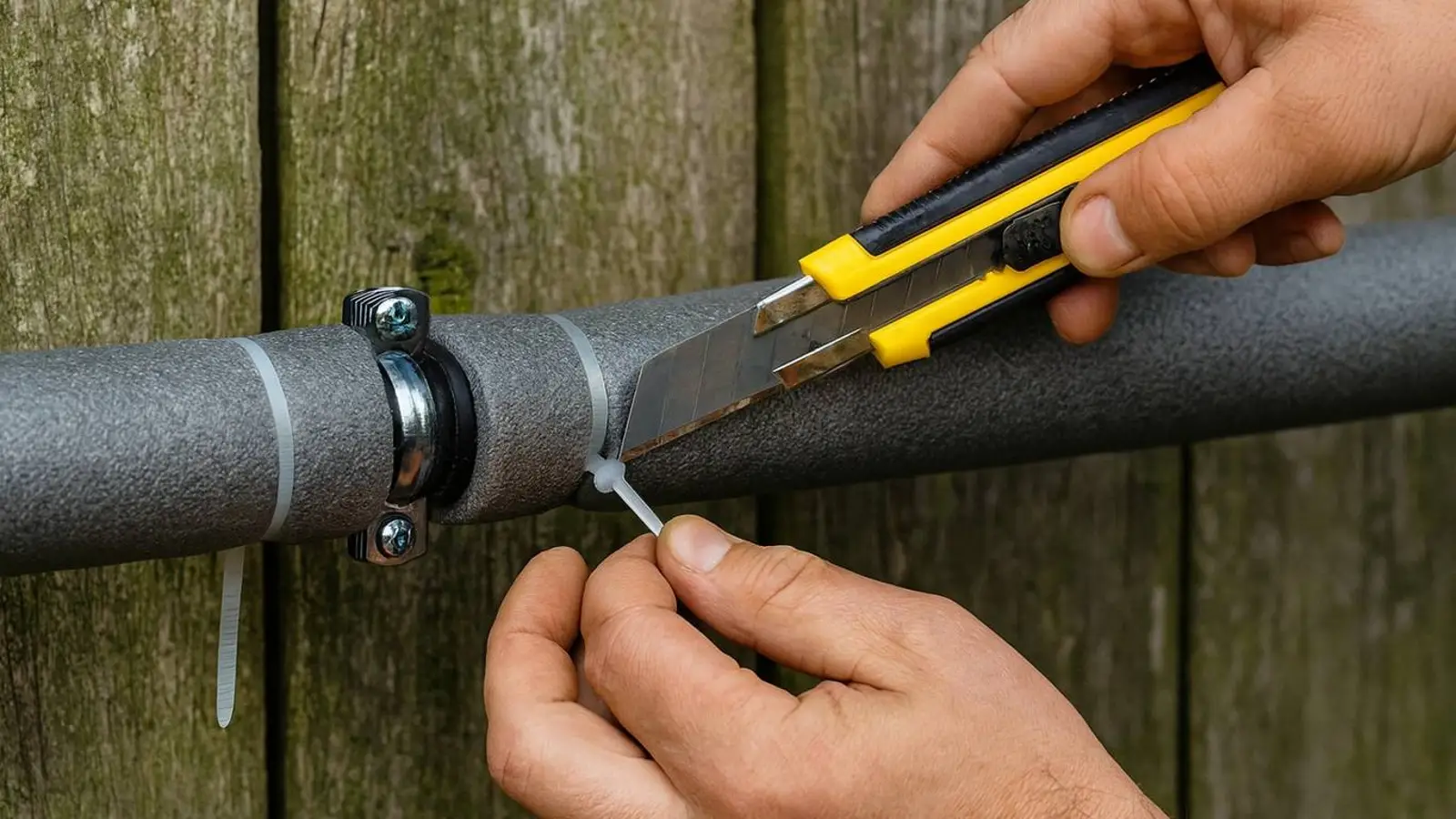
Generated by DALL·E
In winter, owners of detached houses run into the same headache over and over: water lines freeze. To keep pipes from bursting and the house from being left without water, the lines need insulation in advance. Here is a practical guide to the materials and steps that help protect your plumbing.
Why frozen pipes are dangerous
When temperatures drop, water in pipes turns to ice and expands. That expansion can split a pipe or a fitting. The outcome is a leak and a flooded basement, and winter repairs quickly turn into a real challenge: you’ll be digging by hand, and replacement can take more than a day. There’s another nuisance too — ice plugs. They can keep the system blocked until late spring, waiting for a natural thaw.
Which pipes need insulation
Not every line requires protection. First in line for insulation are:
- pipes running from a well or borehole to the house if they lie above the frost line;
- sections that rise toward the surface at the point of entry into the building;
- runs laid through unheated buildings — a garage, greenhouse, or summer kitchen.
If pipes run through heated rooms or are buried deep enough, you can usually skip insulation. Still, a quick audit now saves headaches later.
Choosing a heat cable
Heat cables come in two types — for internal and external installation. Internal cables are used for bringing water into the house. External ones are more versatile: they suit long runs, tight bends, and branches. They are attached to the outside of the pipe with aluminum or reinforced tape.
What to use for insulation
The main requirement is moisture resistance and durability. Foamed polymers fit the bill:
- foamed polyethylene,
- polystyrene foam,
- extruded polystyrene foam,
- polyurethane foam.
These materials don’t rot, don’t soak up water, and last. They do degrade under direct sunlight, so they’re best used underground or in dark spaces.
Foamed polyethylene
The sleeve slips over the pipe like a cover. If that’s not possible, cut the sleeve lengthwise and secure it with tape. For sections above ground, apply two layers.
Polystyrene foam and extruded polystyrene
These come as sheets. They reinforce protection on shallow runs: lay the sheets above the polyethylene sleeve, then backfill the trench.
Polyurethane foam
Good for tricky spots — joints, fittings, and sections with a heat cable. It’s applied from a can and forms a solid monolith. It does need shielding from sunlight.
Basalt shell insulation
Used in unheated rooms. It adds an extra layer of protection, but it’s best to put it over polyethylene to prevent moisture issues.
How to build an insulated line: a step-by-step guide
Below is a setup for a water line laid above the frost line, with an external heat cable and polyethylene insulation.
Trench preparation
Dig a trench 50–70 cm deep. Add a 10 cm sand bed and compact it.
Pipe preparation
Uncoil the HDPE pipe and place it alongside.
Heat cable installation
Run the cable along the pipe and secure it with aluminum tape.
Additional fixing
Wrap the pipe every 20–30 cm with reinforced tape.
Polyethylene sleeve insulation
Slip the insulation over the pipe. If the sleeve is split, tape the seam.
Extra layer where the pipe rises
Use insulation with a larger diameter and secure it the same way.
Protective casing
Place the insulated pipe in a rigid casing. It will shield against soil pressure.
Backfilling with sand
Lay the assembly in the trench with the cable facing down and add another 20–30 cm of sand.
Installing sheet insulation
On shallow sections, lay 10 cm sheets of polystyrene or extruded polystyrene on top.
Final backfill
Backfill with soil and compact. If you like, finish with lawn or paving.
What else to plan for
Even frost-resistant HDPE can burst if the power goes out and the cable stops heating. To reduce the risk, give the line a slope and add drain valves. Before hard frosts, you can drain the water completely. The same approach makes sense in outbuildings — garages, bathhouses, and greenhouses. It’s a small routine that pays off when temperatures plunge.
When to call a professional
If you’re dealing with a central water supply, you need to consider not only frost but also potential water hammer. In that case, it’s safer to trust installation to professionals, especially if the system ties into a community water main. That reduces the chance of disputes and midwinter emergencies.