https://boda.su/en/posts/id2321-how-everyday-rituals-calm-the-mind-and-strengthen-bonds
How everyday rituals calm the mind and strengthen bonds
Everyday rituals that reduce anxiety and strengthen relationships
How everyday rituals calm the mind and strengthen bonds
Discover how everyday rituals lower anxiety, boost emotional stability, and strengthen family bonds. Learn to spot, nurture, and refresh meaningful routines.
2025-12-04T19:04:31+03:00
2025-12-04T19:04:31+03:00
2025-12-04T19:04:31+03:00
Holiday traditions and everyday rituals often seem formal or automatic, yet they’re precisely what help people feel steadier and calmer. Researchers stress that these actions carry far more meaning than meets the eye: they keep us afloat during emotional strain, create a feeling of closeness, and foster a sense of stability.What counts as a ritualExperts suggest distinguishing rituals from habits. A habit is an action done for a result—like drinking coffee to wake up or checking email. A ritual gives the act itself symbolic weight. What might look odd or pointless from the outside—blowing out candles or decorating the house every year—gains emotional significance. A ritual turns repetition into a sign that evokes warm feelings, memories, and a sense of connection. Perhaps that’s why the smallest moments tend to stick with us.Why rituals support mental health and relationshipsResearchers point to several key effects.First, rituals lower anxiety. Their built-in structure and predictability bring a sense of control. When someone knows the sequence of actions, it’s easier to deal with uncertainty—especially during stressful periods or important events.Second, rituals strengthen social bonds. Shared actions—whether a family dinner, a group tradition, or a holiday rite—create belonging. Studies have even observed that people who go through a ritual together can synchronize physiological responses, including heart rate.Third, personal rituals performed alone also help. A morning routine, a particular scent before something important, an evening pause to reset—all of this structures the day and supports emotional stability.How to spot and strengthen your own ritualsExperts advise paying attention to what you do regularly and deliberately. Often, familiar actions already carry ritual meaning: a certain kind of music in the morning, annual family photos, a traditional dinner before a holiday. When you recognize their emotional value, the ritual grows stronger.There’s no need for elaborate ceremonies. Simple actions that create a feeling of connection and warmth work just as well—for instance, a regular walk, watching a movie together, or a weekly block of time set aside for family.A ritual keeps its power only while it truly matters. If an action stops resonating, it loses its stabilizing role—so it’s worth replacing it with something more meaningful.Rituals as a way to give life meaningRituals make it easier to feel that life is not a string of random weekdays but a sequence of meaningful moments. They organize time, create anchor points, and help people feel part of something larger—family, community, or their own story. Many rituals may seem small, yet they are exactly what build a sense of steadiness and fullness.
everyday rituals, rituals and mental health, reduce anxiety, emotional stability, family bonds, relationships, holiday traditions, routines, social connection, morning routine, meaning
2025
articles
Everyday rituals that reduce anxiety and strengthen relationships
Discover how everyday rituals lower anxiety, boost emotional stability, and strengthen family bonds. Learn to spot, nurture, and refresh meaningful routines.
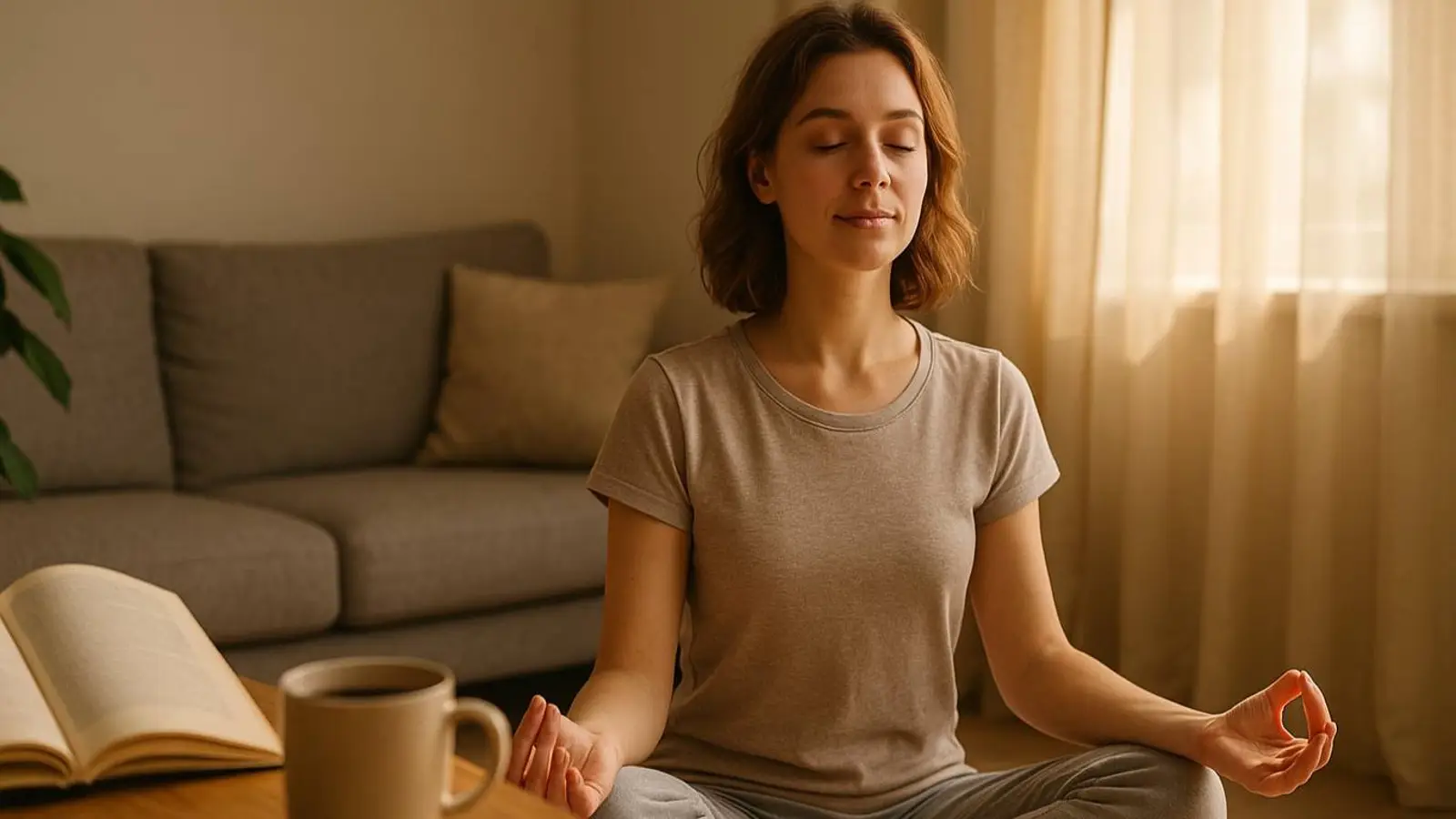
Generated by DALL·E
Holiday traditions and everyday rituals often seem formal or automatic, yet they’re precisely what help people feel steadier and calmer. Researchers stress that these actions carry far more meaning than meets the eye: they keep us afloat during emotional strain, create a feeling of closeness, and foster a sense of stability.
What counts as a ritual
Experts suggest distinguishing rituals from habits. A habit is an action done for a result—like drinking coffee to wake up or checking email. A ritual gives the act itself symbolic weight. What might look odd or pointless from the outside—blowing out candles or decorating the house every year—gains emotional significance. A ritual turns repetition into a sign that evokes warm feelings, memories, and a sense of connection. Perhaps that’s why the smallest moments tend to stick with us.
Why rituals support mental health and relationships
Researchers point to several key effects.
- First, rituals lower anxiety. Their built-in structure and predictability bring a sense of control. When someone knows the sequence of actions, it’s easier to deal with uncertainty—especially during stressful periods or important events.
- Second, rituals strengthen social bonds. Shared actions—whether a family dinner, a group tradition, or a holiday rite—create belonging. Studies have even observed that people who go through a ritual together can synchronize physiological responses, including heart rate.
- Third, personal rituals performed alone also help. A morning routine, a particular scent before something important, an evening pause to reset—all of this structures the day and supports emotional stability.
How to spot and strengthen your own rituals
Experts advise paying attention to what you do regularly and deliberately. Often, familiar actions already carry ritual meaning: a certain kind of music in the morning, annual family photos, a traditional dinner before a holiday. When you recognize their emotional value, the ritual grows stronger.
There’s no need for elaborate ceremonies. Simple actions that create a feeling of connection and warmth work just as well—for instance, a regular walk, watching a movie together, or a weekly block of time set aside for family.
A ritual keeps its power only while it truly matters. If an action stops resonating, it loses its stabilizing role—so it’s worth replacing it with something more meaningful.
Rituals as a way to give life meaning
Rituals make it easier to feel that life is not a string of random weekdays but a sequence of meaningful moments. They organize time, create anchor points, and help people feel part of something larger—family, community, or their own story. Many rituals may seem small, yet they are exactly what build a sense of steadiness and fullness.