https://boda.su/en/posts/id2311-safe-outlet-wiring-star-vs-daisy-chain-protective-earth
Safe outlet wiring: star vs daisy chain, protective earth
Star vs daisy chain: how to wire outlets safely
Safe outlet wiring: star vs daisy chain, protective earth
Learn pros and cons of star vs daisy-chain outlet wiring, why protective earth continuity matters, rules banning series PE, and how to pick the safest layout.
2025-12-04T17:23:02+03:00
2025-12-04T17:23:02+03:00
2025-12-04T17:23:02+03:00
In most apartments, power outlets are everywhere, and installing them can look deceptively simple. Yet electricians know the wiring layout is what truly sets the safety baseline for the entire system.Two routes to the same goalThere are two main ways to wire outlets: the “star” layout and the daisy-chain method. The first runs a dedicated line from the junction box to each outlet; the second links them one after another into a single chain.Star: safety over savingsIn a radial setup, every outlet gets its own cable. That isolation boosts reliability and safety: if one line fails, the others keep working without interruption.Daisy chain: savings with a catchSequential wiring is tempting—less cable and fewer wall chases. But there’s a price: if a single connection fails, every outlet downstream goes dark. The apparent efficiency quickly looks less convincing when trouble strikes.A hidden hazardThe most serious risk appears when multiple conductors are clamped under a single outlet terminal. A manufacturer may allow this setup, but it creates significant issues for protective earthing.Why that’s dangerousIf the earth conductor connection loosens, the outlet will keep working as if nothing happened. But if insulation fails, voltage can end up on an appliance’s metal case, and the RCD may not trip in time. The consequences can be severe.What the rules sayThe Electrical Installation Rules explicitly prohibit connecting protective conductors in series. This requirement is stated in clause 1.7.144.How to do it safelyThe only correct approach is to maintain the continuity of protective earth conductors. This requirement is set out in SP 76.13330.2016 and GOST R 50571.5.52-2016. Cutting costs on wiring can lead to serious problems; when choosing a wiring scheme, safety should outweigh any perceived savings.
outlet wiring, star layout, daisy chain, protective earth, earth continuity, series PE prohibition, clause 1.7.144, RCD safety, SP 76.13330.2016, GOST R 50571.5.52-2016, electrical rules
2025
articles
Star vs daisy chain: how to wire outlets safely
Learn pros and cons of star vs daisy-chain outlet wiring, why protective earth continuity matters, rules banning series PE, and how to pick the safest layout.
Generated by DALL·E
In most apartments, power outlets are everywhere, and installing them can look deceptively simple. Yet electricians know the wiring layout is what truly sets the safety baseline for the entire system.
Two routes to the same goal
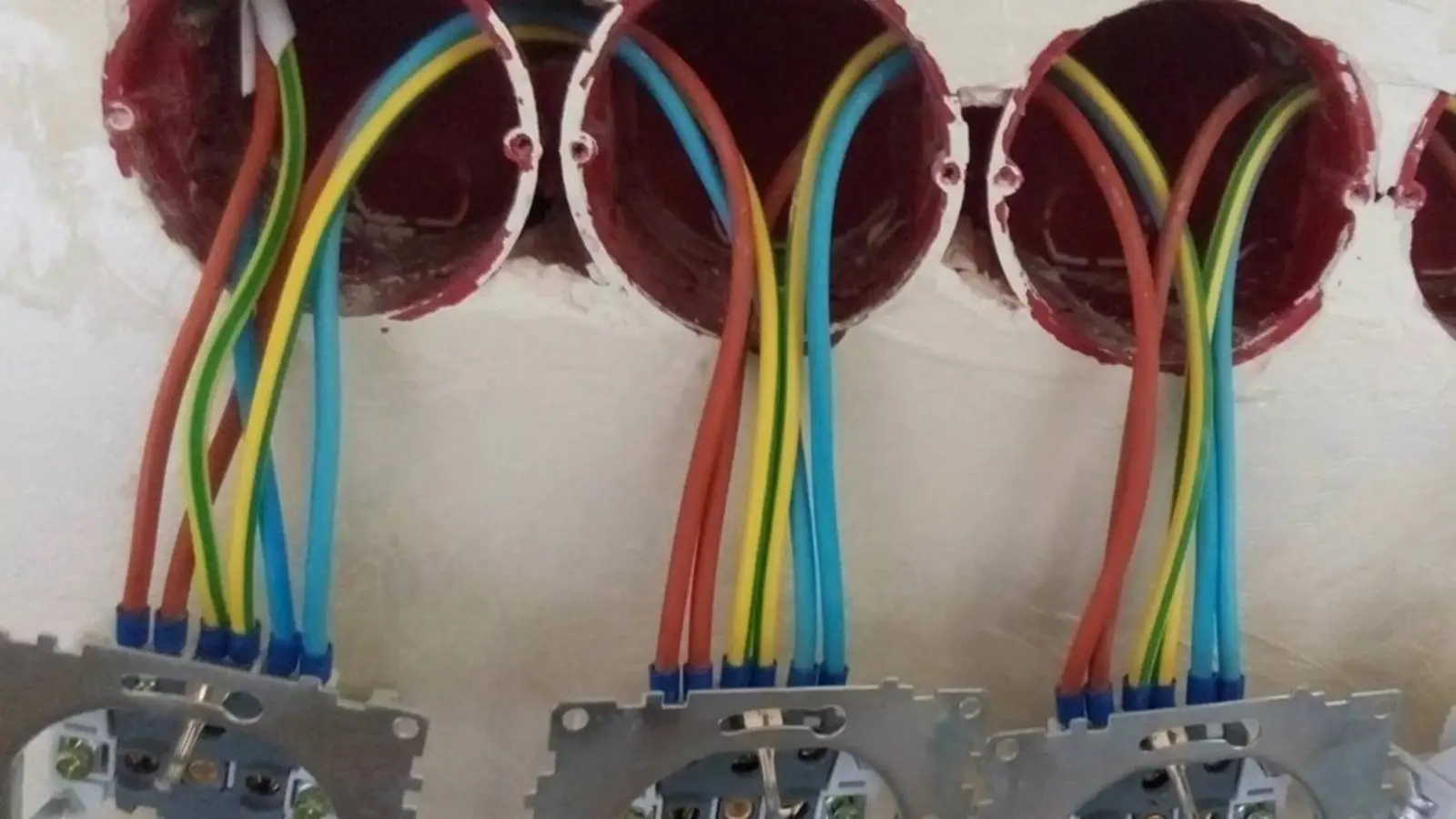
There are two main ways to wire outlets: the “star” layout and the daisy-chain method. The first runs a dedicated line from the junction box to each outlet; the second links them one after another into a single chain.
Star: safety over savings
In a radial setup, every outlet gets its own cable. That isolation boosts reliability and safety: if one line fails, the others keep working without interruption.
Daisy chain: savings with a catch
Sequential wiring is tempting—less cable and fewer wall chases. But there’s a price: if a single connection fails, every outlet downstream goes dark. The apparent efficiency quickly looks less convincing when trouble strikes.
A hidden hazard
The most serious risk appears when multiple conductors are clamped under a single outlet terminal. A manufacturer may allow this setup, but it creates significant issues for protective earthing.
Why that’s dangerous
If the earth conductor connection loosens, the outlet will keep working as if nothing happened. But if insulation fails, voltage can end up on an appliance’s metal case, and the RCD may not trip in time. The consequences can be severe.
What the rules say
The Electrical Installation Rules explicitly prohibit connecting protective conductors in series. This requirement is stated in clause 1.7.144.
How to do it safely
The only correct approach is to maintain the continuity of protective earth conductors. This requirement is set out in SP 76.13330.2016 and GOST R 50571.5.52-2016. Cutting costs on wiring can lead to serious problems; when choosing a wiring scheme, safety should outweigh any perceived savings.