https://boda.su/en/posts/id1941-will-your-sex-drive-return-antidepressants-and-libido
Will your sex drive return? Antidepressants and libido
Antidepressants and low libido: why it happens and how to restore sex drive
Will your sex drive return? Antidepressants and libido
Learn why antidepressants lower libido, how long side effects last, what PSSD is, and safe ways to restore sex drive—from lifestyle steps to treatment options.
2025-12-01T15:18:37+03:00
2025-12-01T15:18:37+03:00
2025-12-01T15:18:37+03:00
Lower sexual desire is among the most talked‑about side effects of antidepressants. Some people notice changes within the first few weeks, others only months into treatment. That naturally raises a big question: can libido fall so low that it never comes back? Here is what medicine says—and when concern is truly warranted.How antidepressants workAntidepressants are prescribed not only for depression. They can help with anxiety disorders, OCD, PTSD, and eating disorders. They work through neurotransmitters—chemicals that regulate mood and emotional responses:serotonin;norepinephrine;dopamine;melatonin.Adjusting their levels helps stabilize mental health, but the ripple effect can reach other systems too—including the hormonal one.Why sexual desire dropsLibido can dip for several reasons:Hormonal fluctuationsAntidepressants influence testosterone and estrogen. These hormones are directly tied to sexual desire: the lower their activity, the weaker the libido.Physiological changesSome patients report:vaginal dryness or insufficient lubrication;difficulty with erections;absence of orgasm.These reactions are unpleasant and can amplify stress—which itself dampens interest in sex.Can libido be lost for goodThe usual pattern is this: side effects appear early in treatment and gradually ease. Sometimes it takes a few weeks, sometimes two to three months. Still, rare persistent cases have been documented in medicine. This phenomenon is called post-SSRI sexual dysfunction and occurs in about 0.46% of patients. It’s unsettling when improvement stalls, but a clear timeline helps keep expectations realistic.The mechanism is linked to epigenetic changes—features of the serotonin system that can persist after discontinuation. If the problem does not resolve within 2–3 months after ending therapy, it is important to see a doctor. This applies to men and women alike.Which medications affect sexuality moreMinimal impact:bupropion, mirtazapine, vilazodone, vortioxetine;duloxetine, desvenlafaxine, levomilnacipran;selegiline (an MAO inhibitor).More pronounced side effects:SSRIs: paroxetine, sertraline, fluoxetine, citalopram, escitalopram;venlafaxine;amitriptyline, clomipramine;older-generation MAO inhibitors.Responses are individual: some people notice no changes at all, others experience a marked drop in libido within the first weeks.How to bring sexual desire backSeveral approaches can help during and after a course of antidepressants.Physical activityIn women, sensitivity tends to rise about half an hour after a workout. In men, aerobic exercise can help improve erectile function.Emotional connection with a partnerWarm contact and calm communication build intimate confidence and ease anxiety.Giving up alcohol and tobaccoBoth habits lower libido on their own, and the effect intensifies during treatment.Planning intimacyIf side effects show up at certain times of day, choose a more comfortable window.Adjusting therapyA doctor may change the dosage, add supportive medications, or choose a different antidepressant. In practice, small, coordinated tweaks often work better than drastic decisions.Medications to boost libido (by prescription only)For women: flibanserin, bremelanotide.For men: medications for erectile function (sildenafil, tadalafil, etc.).
antidepressants and libido, low sex drive, sexual side effects, PSSD, post-SSRI sexual dysfunction, SSRIs, bupropion, mirtazapine, restore libido, erectile dysfunction, flibanserin, bremelanotide
2025
articles
Antidepressants and low libido: why it happens and how to restore sex drive
Learn why antidepressants lower libido, how long side effects last, what PSSD is, and safe ways to restore sex drive—from lifestyle steps to treatment options.
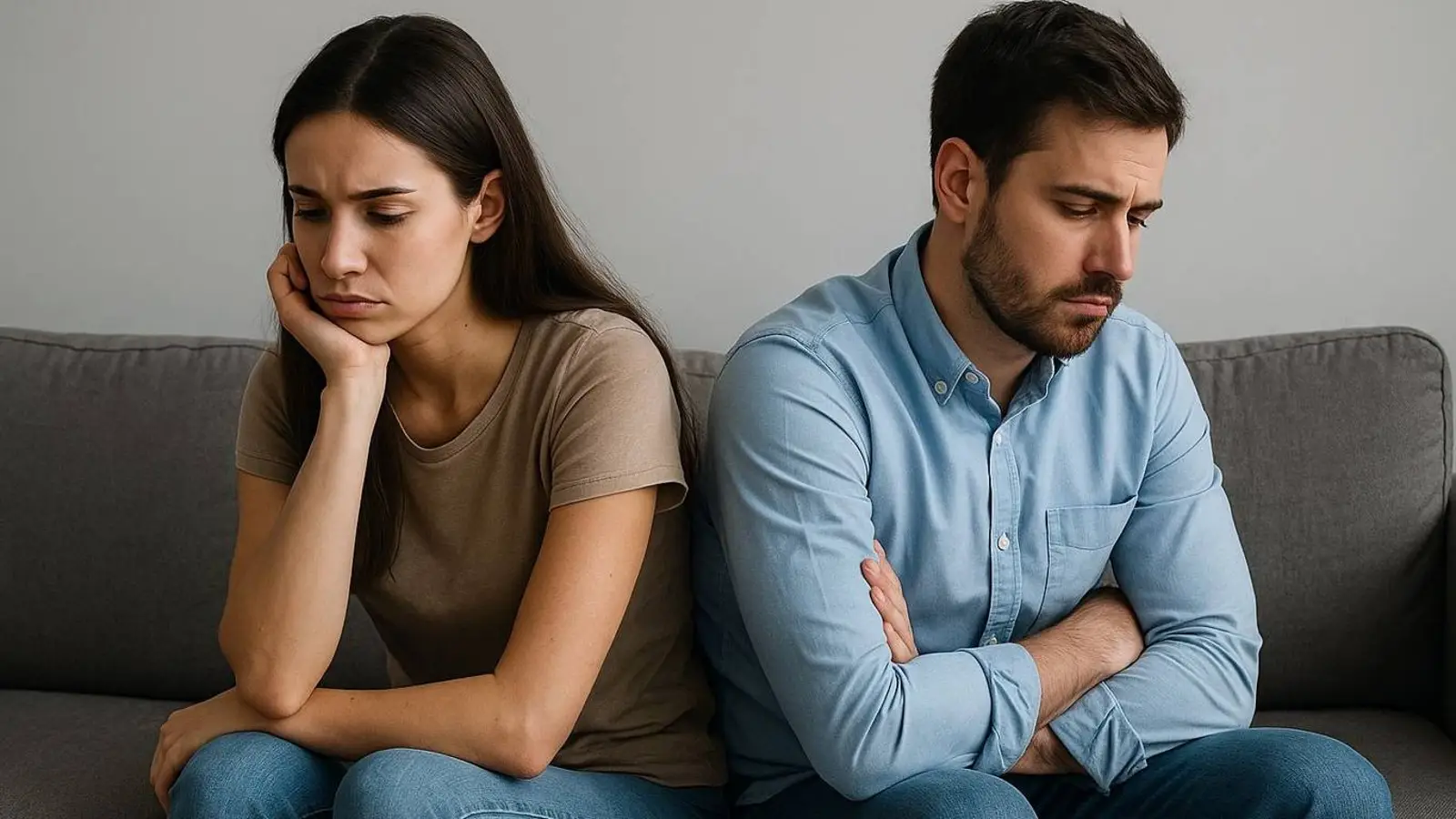
Generated by DALL·E
Lower sexual desire is among the most talked‑about side effects of antidepressants. Some people notice changes within the first few weeks, others only months into treatment. That naturally raises a big question: can libido fall so low that it never comes back? Here is what medicine says—and when concern is truly warranted.
How antidepressants work
Antidepressants are prescribed not only for depression. They can help with anxiety disorders, OCD, PTSD, and eating disorders. They work through neurotransmitters—chemicals that regulate mood and emotional responses:
- serotonin;
- norepinephrine;
- dopamine;
- melatonin.
Adjusting their levels helps stabilize mental health, but the ripple effect can reach other systems too—including the hormonal one.
Why sexual desire drops
Libido can dip for several reasons:
Hormonal fluctuations
Antidepressants influence testosterone and estrogen. These hormones are directly tied to sexual desire: the lower their activity, the weaker the libido.
Physiological changes
Some patients report:
- vaginal dryness or insufficient lubrication;
- difficulty with erections;
- absence of orgasm.
These reactions are unpleasant and can amplify stress—which itself dampens interest in sex.
Can libido be lost for good
The usual pattern is this: side effects appear early in treatment and gradually ease. Sometimes it takes a few weeks, sometimes two to three months. Still, rare persistent cases have been documented in medicine. This phenomenon is called post-SSRI sexual dysfunction and occurs in about 0.46% of patients. It’s unsettling when improvement stalls, but a clear timeline helps keep expectations realistic.
The mechanism is linked to epigenetic changes—features of the serotonin system that can persist after discontinuation. If the problem does not resolve within 2–3 months after ending therapy, it is important to see a doctor. This applies to men and women alike.
Which medications affect sexuality more
Minimal impact:
- bupropion, mirtazapine, vilazodone, vortioxetine;
- duloxetine, desvenlafaxine, levomilnacipran;
- selegiline (an MAO inhibitor).
More pronounced side effects:
- SSRIs: paroxetine, sertraline, fluoxetine, citalopram, escitalopram;
- venlafaxine;
- amitriptyline, clomipramine;
- older-generation MAO inhibitors.
Responses are individual: some people notice no changes at all, others experience a marked drop in libido within the first weeks.
How to bring sexual desire back
Several approaches can help during and after a course of antidepressants.
Physical activity
In women, sensitivity tends to rise about half an hour after a workout. In men, aerobic exercise can help improve erectile function.
Emotional connection with a partner
- Warm contact and calm communication build intimate confidence and ease anxiety.
- Giving up alcohol and tobacco
- Both habits lower libido on their own, and the effect intensifies during treatment.
Planning intimacy
If side effects show up at certain times of day, choose a more comfortable window.
Adjusting therapy
A doctor may change the dosage, add supportive medications, or choose a different antidepressant. In practice, small, coordinated tweaks often work better than drastic decisions.
Medications to boost libido (by prescription only)
- For women: flibanserin, bremelanotide.
- For men: medications for erectile function (sildenafil, tadalafil, etc.).