https://boda.su/en/posts/id1931-evidence-backed-green-tea-benefits-and-brewing-tips
Evidence-backed green tea benefits and brewing tips
Green tea benefits, antioxidants, and how to brew it right
Evidence-backed green tea benefits and brewing tips
Discover green tea benefits backed by research: antioxidants, energy from L-theanine, metabolism support, longevity, and brewing tips for best results.
2025-12-01T13:26:00+03:00
2025-12-01T13:26:00+03:00
2025-12-01T13:26:00+03:00
Green tea stopped being just a cozy sip for unwinding long ago. Research paints a richer picture: it protects cells, supports the brain, and can even affect longevity. The key is to drink it regularly and brew it right. It has earned its place not through hype, but through steady evidence.Antioxidants: the body's invisible shieldGreen tea is rich in catechins and flavonoids, natural antioxidants. Their job is to neutralize free radicals that damage cells and speed up aging. Think of free radicals as rust in pipes and antioxidants as the treatment that stops the metal from corroding—only this one works inside the body.Steady breathing and fresher breathDentists have long noted that regular green tea consumption helps fight bad breath. The catechins it contains suppress certain bacteria in the mouth. Fewer of these bacteria mean less plaque and a lower risk of cavities.Energy without jitters or nervesGreen tea contains a modest dose of caffeine—about half that of a cup of coffee. The effect is gentler thanks to the amino acid L-theanine. L-theanine influences the brain in a way that boosts concentration while easing inner tension. The result is alertness without coffee’s frantic edge. Some studies also note that green tea helps lower blood pressure.Effect on metabolismThere is no direct evidence of a fat-burning effect from green tea. But it is confirmed that it slightly speeds up metabolism. A higher metabolic rate is one of the factors that can help reduce weight.Brain support and protection from diseases of agingCatechins can lower the risk of Alzheimer’s and Parkinson’s disease. The mechanism is not fully understood, but scientists link this to reduced plaque formation in the brain.Green tea and longevityLarge studies—some involving up to 40,000 people—found that regular green tea intake (3–5 cups a day) is associated with lower mortality from various causes, including strokes and cardiovascular disease. This is not magic but a sum of effects: influences on blood vessels, metabolism, inflammatory processes, and the brain. The takeaway is simple: steady habits beat quick fixes.How to brew the most beneficial cup of green teaTo preserve as much benefit as possible, follow a few simple rules. Small tweaks turn a routine cup into a daily advantage.Do not use boiling water. The optimal temperature is 70–80 °C.Choose loose-leaf tea. Bagged versions contain less caffeine and fewer valuable compounds.Add lemon. It helps the body absorb certain antioxidants.Drink it freshly brewed. Over time, the beneficial compounds break down.
green tea benefits, antioxidants, catechins, flavonoids, L-theanine, metabolism, brain health, longevity, how to brew green tea, blood pressure, oral health, bad breath, loose-leaf tea, lemon
2025
articles
Green tea benefits, antioxidants, and how to brew it right
Discover green tea benefits backed by research: antioxidants, energy from L-theanine, metabolism support, longevity, and brewing tips for best results.
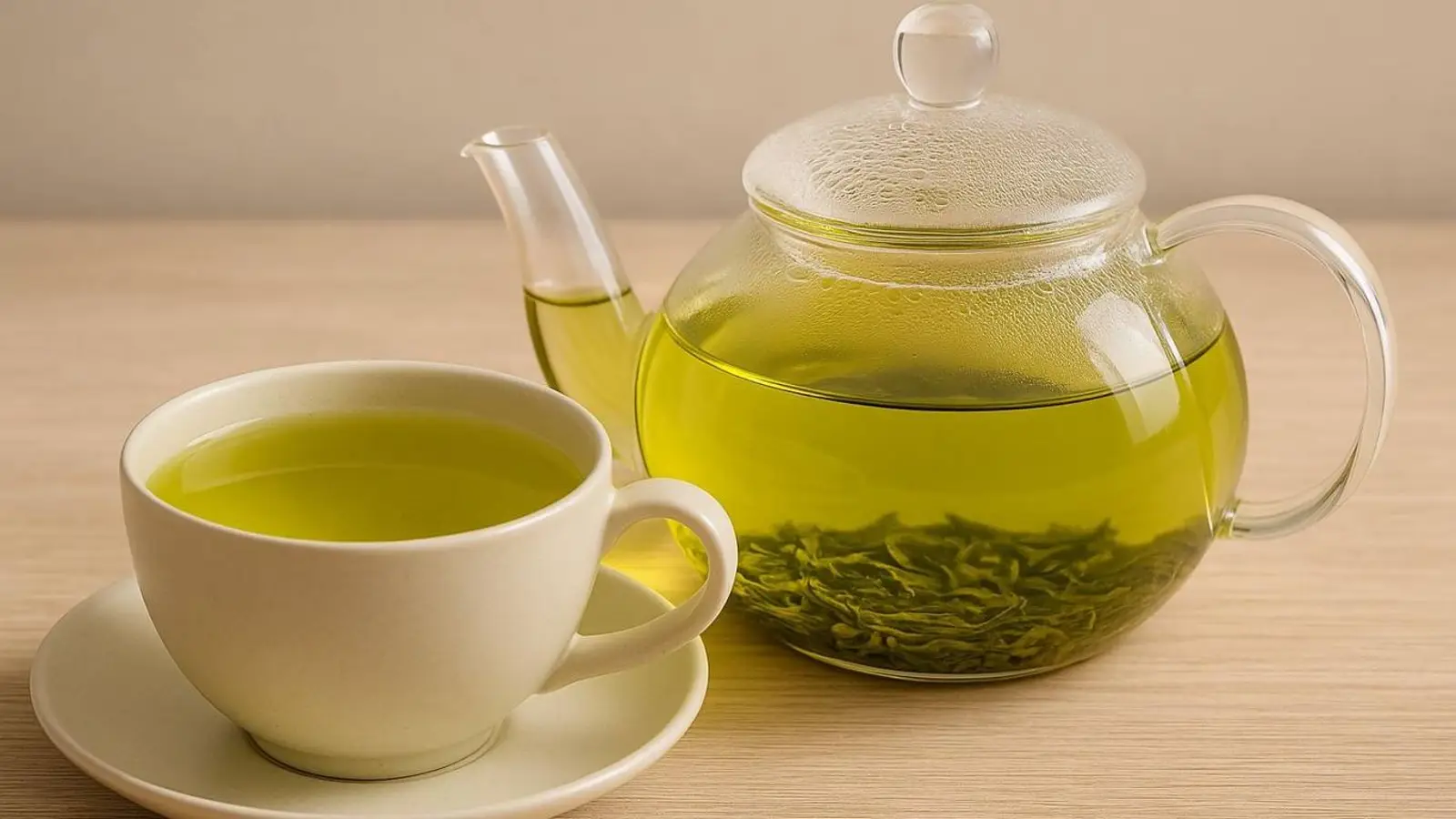
Generated by DALL·E
Green tea stopped being just a cozy sip for unwinding long ago. Research paints a richer picture: it protects cells, supports the brain, and can even affect longevity. The key is to drink it regularly and brew it right. It has earned its place not through hype, but through steady evidence.
Antioxidants: the body's invisible shield
Green tea is rich in catechins and flavonoids, natural antioxidants. Their job is to neutralize free radicals that damage cells and speed up aging. Think of free radicals as rust in pipes and antioxidants as the treatment that stops the metal from corroding—only this one works inside the body.
Steady breathing and fresher breath
Dentists have long noted that regular green tea consumption helps fight bad breath. The catechins it contains suppress certain bacteria in the mouth. Fewer of these bacteria mean less plaque and a lower risk of cavities.
Energy without jitters or nerves
Green tea contains a modest dose of caffeine—about half that of a cup of coffee. The effect is gentler thanks to the amino acid L-theanine. L-theanine influences the brain in a way that boosts concentration while easing inner tension. The result is alertness without coffee’s frantic edge. Some studies also note that green tea helps lower blood pressure.
Effect on metabolism
There is no direct evidence of a fat-burning effect from green tea. But it is confirmed that it slightly speeds up metabolism. A higher metabolic rate is one of the factors that can help reduce weight.
Brain support and protection from diseases of aging
Catechins can lower the risk of Alzheimer’s and Parkinson’s disease. The mechanism is not fully understood, but scientists link this to reduced plaque formation in the brain.
Green tea and longevity
Large studies—some involving up to 40,000 people—found that regular green tea intake (3–5 cups a day) is associated with lower mortality from various causes, including strokes and cardiovascular disease. This is not magic but a sum of effects: influences on blood vessels, metabolism, inflammatory processes, and the brain. The takeaway is simple: steady habits beat quick fixes.
How to brew the most beneficial cup of green tea
To preserve as much benefit as possible, follow a few simple rules. Small tweaks turn a routine cup into a daily advantage.
- Do not use boiling water. The optimal temperature is 70–80 °C.
- Choose loose-leaf tea. Bagged versions contain less caffeine and fewer valuable compounds.
- Add lemon. It helps the body absorb certain antioxidants.
- Drink it freshly brewed. Over time, the beneficial compounds break down.