
11 items that make airport security open your suitcase
Learn why airport security opens checked baggage and which 11 items trigger inspection—batteries, lighters, magnets, alcohol—plus tips to avoid delays.
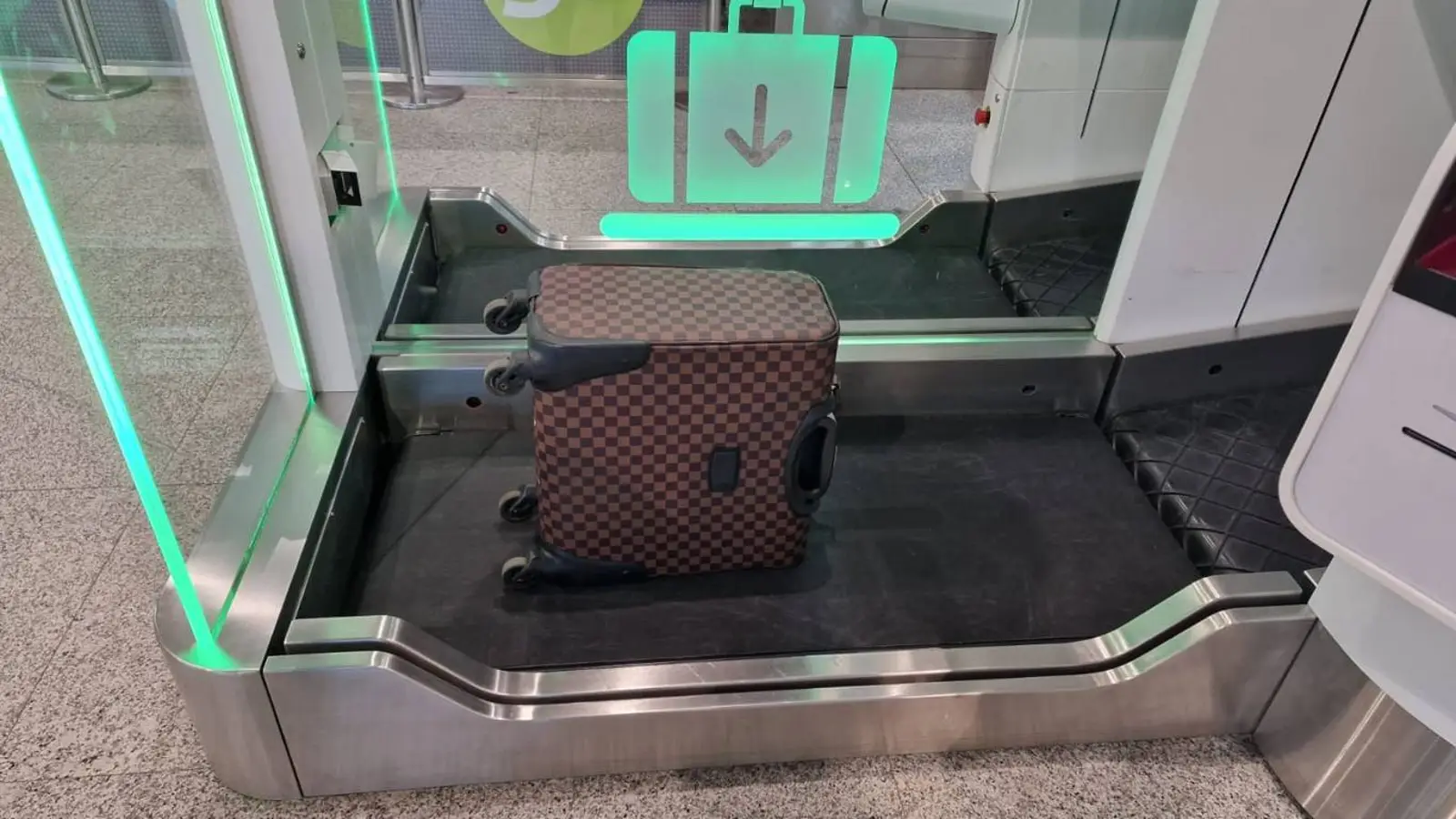
© Dasha Sysoeva
Almost every traveler has, at least once, found an inspection sticker on a suitcase or noticed that things inside were rearranged after the flight. It doesn’t automatically mean theft — more often, security has opened the bag. The logic is simple: something on the scanner looked suspicious. Here’s a clear look at why certain items prompt inspectors to pop a suitcase open.
Why a suitcase gets opened without its owner
After check-in, luggage goes through X-ray screening. In most countries, passengers aren’t present for this step. If the scan shows something prohibited or unclear, an inspector is obligated to open the bag. Sometimes items are simply removed, and the passenger discovers it only at the destination. Seized items are usually not returned — they’re disposed of.
11 items that get baggage a closer look
These things almost guarantee that airport staff will open your suitcase — and some of them will be taken away on the spot.
Batteries and power banks
Power banks and spare batteries for cameras, laptops, and drones are allowed only in carry-on. In checked baggage, they can overheat and catch fire.
Lighters and matches
Not allowed in checked baggage. One lighter or one box of matches — carry-on only.
Pyrotechnics
Even small party poppers and sparklers are treated as flammable. They’re removed immediately.
Fire extinguishers
Any gas cylinders are strictly prohibited. Pressure changes make the explosion risk too high.
Fresh fruit and vegetables
Australia, the United States, and European countries do not admit agricultural produce without a certificate. That’s a safeguard against pests and plant diseases.
Chemical cleaners and bleach
Liquids containing chlorine can damage baggage and aircraft equipment.
Gas canisters and pepper spray
Camping gas canisters, flares, and self-defense aerosols are off-limits. Even repellents can raise questions.
Electronic cigarettes
Must be kept in carry-on only. In some countries, vapes are banned altogether.
Printer cartridges
In the United Kingdom and the United States, large toner cartridges are prohibited.
Strong magnets
They can interfere with onboard systems, so they won’t be accepted in checked baggage.
Alcohol over 70%
These beverages are classified as dangerous goods — they simply won’t be allowed.
When you may be called to the inspection
Sometimes staff won’t just open the luggage but will also ask the owner to come over. That happens when contents need clarification or a special permit is required.
Plants and seeds
Many countries strictly control the export and import of plant material.
Examples of bans:
- orchids without permits (Thailand, Indonesia),
- date palms (Morocco, Egypt),
- coffee and cocoa seeds (Brazil).
Odd-shaped items
Souvenirs shaped like weapons, replicas, and metal objects — anything that looks ambiguous on X-ray.
Tools and equipment parts
Large metal objects often require additional screening.
Tightly wrapped bundles
If the scanner can’t see what’s inside, the suitcase will be opened.
Antiques and art
Paintings, figurines, and old items may fall under export restrictions. Sometimes proof of origin is required.
How to avoid unwelcome surprises
Before you travel, check your airline’s rules and the customs regulations of your destination. Some borderline items are easier to buy on arrival — it spares you extra questions and saves time. Trips start with small details, and those details often determine how peaceful your first day of vacation will be.