
How to choose a trustworthy wine: read labels, avoid fakes
Learn how to choose wine with confidence: read labels, spot counterfeits, check storage, and match styles to food. Tips on grape varieties, caps vs corks.
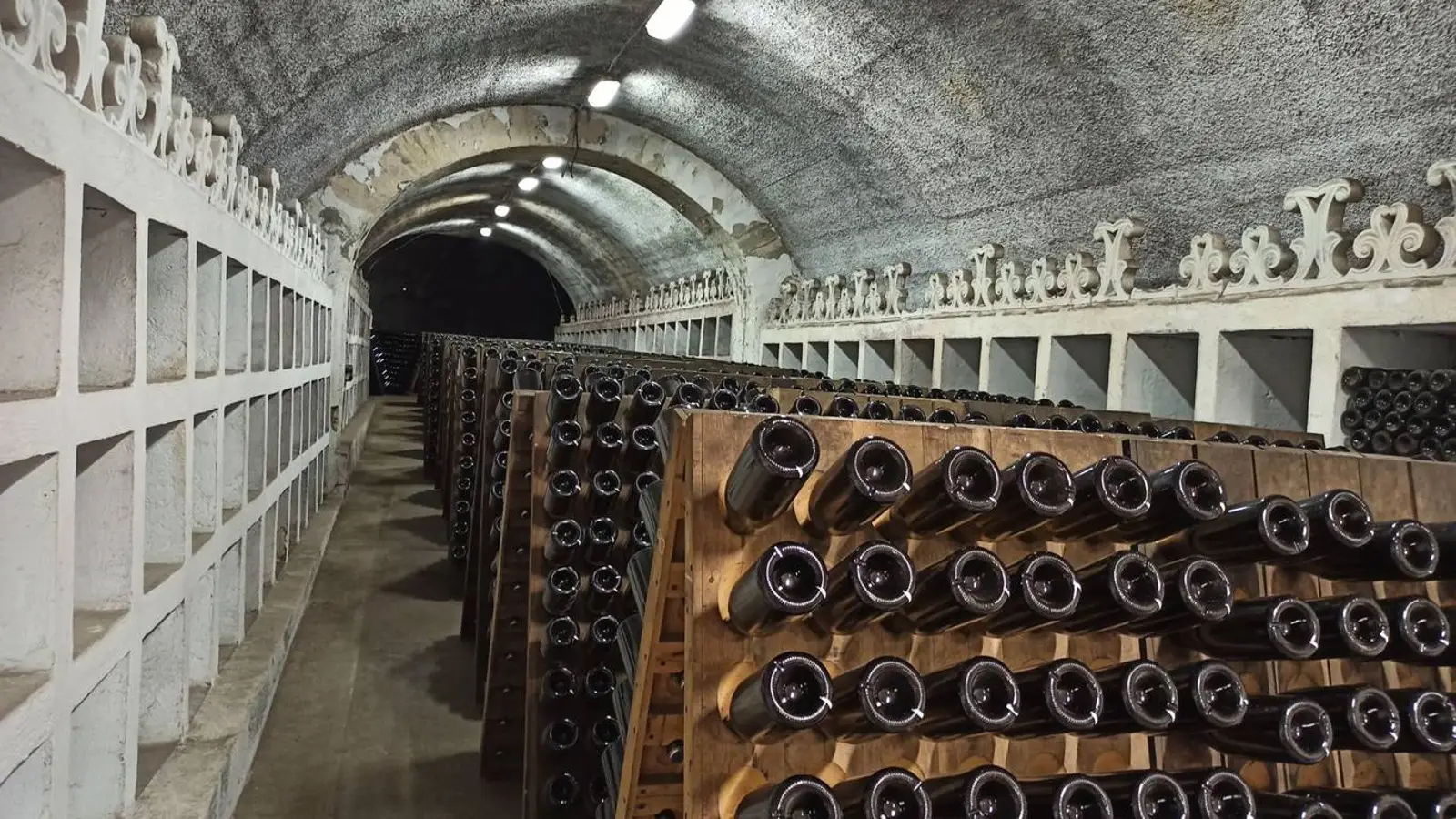
© Ratnikov S.S.
The wine market is changing, and so are the rules for picking a bottle. Buyers are asking more questions about quality and the honesty of producers. As demand and prices climb, shelves are filling with bottles that look respectable yet invite doubts.
Here is a clear-eyed guide to the main signs that help decide which wines deserve trust—and which are best left on the shelf.
Counterfeits: are they still around?
They are, though less common than a decade ago. The risk rises where alcohol is bought off the books: from the trunk, in garages, in small private shops, or at resorts where it is marketed as home-made wine. Fakes show up most often in small stores in towns and villages, where cheap drinks are dressed up to resemble famous brands. Genuine budget wines rarely make it there—demand is too weak.
Even in big supermarkets, grey-market wine can slip through. Paperwork, labeling and EGAIS may be in order, but the origin remains murky. This is most often the case with imported bottles, especially those sold as Georgian. Industry representatives note that a significant share of wine marketed as Georgian is not produced in Georgia at all: it is bottled elsewhere and then sold under a familiar name.
Is “wine material” on the label a fake?
No. The term wine material means the producer bought ready-made wine from another source, bottled it under their own brand, and sent it to market. It is legal, though seldom a marker of high quality. Such wines rarely show depth, since the producer does not control the process from grape to bottle and, in essence, only adds a label.
Dry wine material is not a sign of powdered wine—this is a stubborn myth. Still, if the bottle mentions wine material, it is wise to lower expectations: good wines are almost never labeled that way.
What should not appear on the label?
Certain wording should immediately raise a red flag. The most troubling sign is a promise that the wine is made from select grape varieties. If no specific grapes are named, the producer likely does not know exactly what went into the bottle. This kind of phrasing often hides mass, low-cost raw material of uncertain origin.
Simple rules for choosing wine
Choosing a decent bottle takes just a few quick checks.
Pick the variety for the moment. Spicy reds like Syrah are a mismatch for light snacks, while a crisp Grüner Veltliner fades next to rich, fatty dishes. The principle is straightforward:
- with meat — dry red
- with light food — white or rosé
Assess the bottle. Screw caps usually signal young wines not meant for aging. A cork points to a different level of storage and production.
Watch the store conditions
Temperature and lighting are critical. Wine left in heat or direct sun loses flavor. It is not unusual to see two identical bottles differ in color simply because one stood by a window.
Check for an honest contents list
A clear listing of grape varieties signals transparency and care. Vague wording is a reason to pass. Choosing wine is less about complexity than attentiveness: examine the label, consider storage conditions, and match the style to the occasion. Counterfeits still surface, but spotting them has become easier—uncertain producers often leave more clues on the label than they intend.
A mindful choice is the surest way to avoid disappointment and actually enjoy the glass.