https://boda.su/en/posts/id1095-thoughtful-children-s-gifts-smart-tips-for-meaningful-choices
Thoughtful Children’s Gifts: Smart Tips for Meaningful Choices
How to Choose Thoughtful and Joyful Gifts for Children
Thoughtful Children’s Gifts: Smart Tips for Meaningful Choices
Discover how to choose meaningful children’s gifts that spark joy, match real interests, and avoid common mistakes. Practical guidance for thoughtful presents.
2025-11-13T16:02:39+03:00
2025-11-13T16:02:39+03:00
2025-11-13T16:02:39+03:00
Gifts That Carry Emotion
A present for a child is more than a simple object — it reflects the emotions of the person giving it. A good gift should bring joy in the moment, spark curiosity, and naturally fit the child’s current stage of life. Psychologists and parents note that age, interests, and real needs all matter if you want to avoid disappointment.
Practical Things Don’t Always Delight
Relatives often choose gifts they view as useful: shoes, school uniforms, or sportswear. Adults see practicality as a plus, but children may not share that perspective. A boy might enjoy a T-shirt with a favorite character, and a girl might appreciate a festive outfit. Yet items like extra shoes, winter hats, or PE uniforms rarely feel like meaningful presents. They carry little emotional value and seldom become treasured belongings.
Gifts »For Later”
Presents meant to be used in the future can easily frustrate young children. A bright school pencil case may upset a four-year-old if they cannot use it right away. For younger kids especially, gifts should be something they can enjoy immediately.
Don’t Fulfill Your Own Childhood Wishes
Sometimes adults choose presents based on their own unmet dreams. A remote-controlled helicopter or a hockey stick may look exciting to the giver, but if they don’t match the child’s interests, the gift will fall flat. The choice should reflect the child’s age, hobbies, and personality — not the nostalgia of adults.
Pets Require Parental Approval
Animals are a special category. A kitten, puppy, or even a small fish might seem like a heartwarming surprise, but the decision needs to be discussed with parents first. A child may have allergies, or the family might not be ready for the responsibility.
Decorative Items Don’t Work for Little Kids
Souvenirs or decorative toys that can’t be touched or played with don’t suit young children. Items like porcelain dolls or display-only toy trains break easily and often leave the child disappointed.
Money Isn’t the Best Choice
Before the teenage years, giving money is generally discouraged. Younger children don’t yet grasp value or emotional meaning behind purchases. Pocket money should be introduced gradually and under parental guidance.
Price Isn’t What Matters
For children, the cost of a gift is far less important than its appeal. A small but intriguing present often brings more joy than an expensive one that feels impersonal. What truly counts is whether the gift matches the child’s interests.
Choosing a gift is less about practicality or price and more about creating a moment of joy. A present should be safe, age-appropriate, and aligned with the child’s personality. Even a simple delight, offered at the right moment, can become a lasting memory.
Children’s Gifts, Thoughtful Presents, Gift Ideas, Meaningful Gifts, Kids’ Interests, Parenting Tips, Choosing Gifts
2025
articles
How to Choose Thoughtful and Joyful Gifts for Children
Discover how to choose meaningful children’s gifts that spark joy, match real interests, and avoid common mistakes. Practical guidance for thoughtful presents.
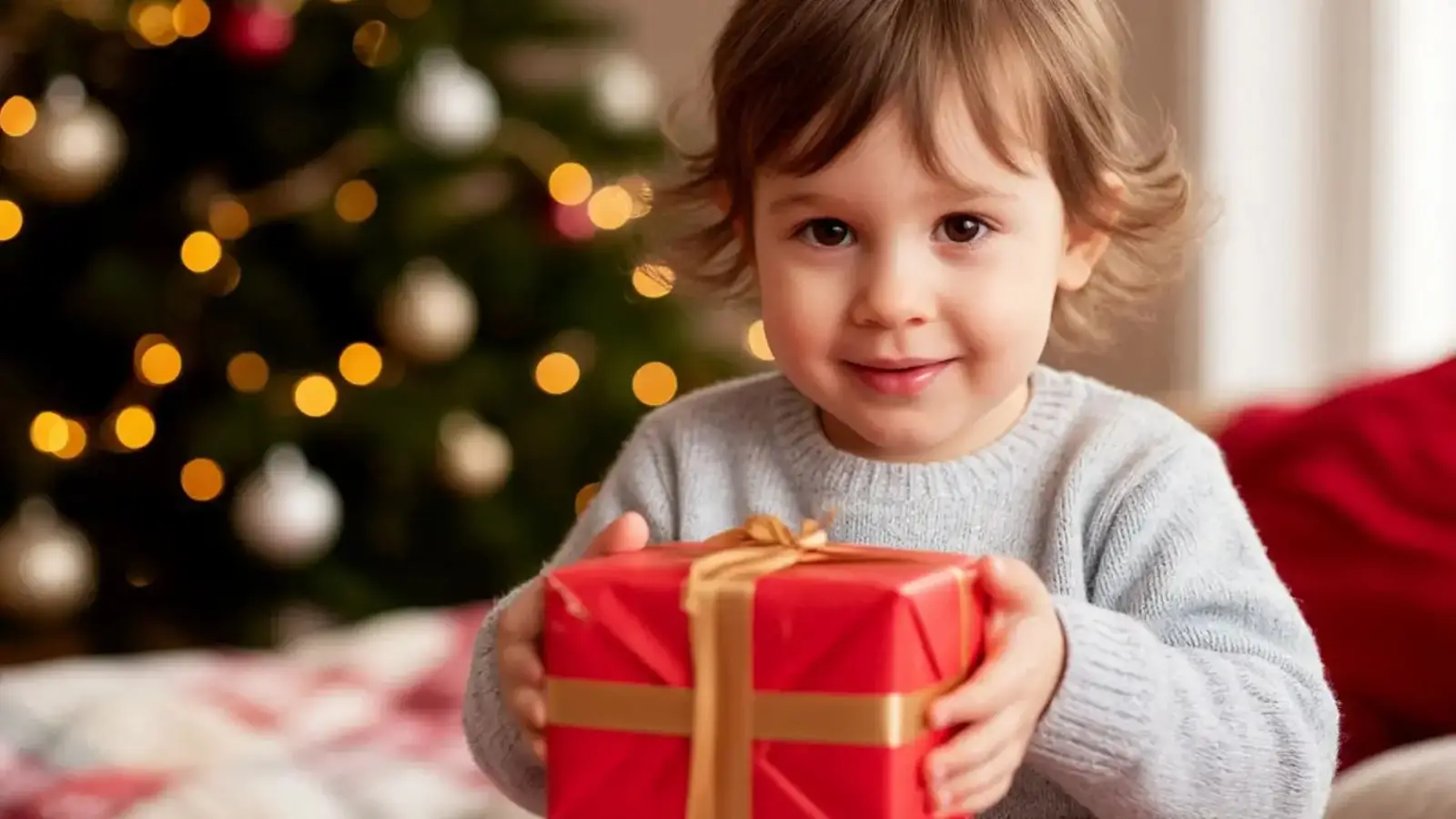
Generated by Dall-e
Gifts That Carry Emotion
A present for a child is more than a simple object — it reflects the emotions of the person giving it. A good gift should bring joy in the moment, spark curiosity, and naturally fit the child’s current stage of life. Psychologists and parents note that age, interests, and real needs all matter if you want to avoid disappointment.
Practical Things Don’t Always Delight
Relatives often choose gifts they view as useful: shoes, school uniforms, or sportswear. Adults see practicality as a plus, but children may not share that perspective. A boy might enjoy a T-shirt with a favorite character, and a girl might appreciate a festive outfit. Yet items like extra shoes, winter hats, or PE uniforms rarely feel like meaningful presents. They carry little emotional value and seldom become treasured belongings.
Gifts “For Later”
Presents meant to be used in the future can easily frustrate young children. A bright school pencil case may upset a four-year-old if they cannot use it right away. For younger kids especially, gifts should be something they can enjoy immediately.
Don’t Fulfill Your Own Childhood Wishes
Sometimes adults choose presents based on their own unmet dreams. A remote-controlled helicopter or a hockey stick may look exciting to the giver, but if they don’t match the child’s interests, the gift will fall flat. The choice should reflect the child’s age, hobbies, and personality — not the nostalgia of adults.
Pets Require Parental Approval
Animals are a special category. A kitten, puppy, or even a small fish might seem like a heartwarming surprise, but the decision needs to be discussed with parents first. A child may have allergies, or the family might not be ready for the responsibility.
Decorative Items Don’t Work for Little Kids
Souvenirs or decorative toys that can’t be touched or played with don’t suit young children. Items like porcelain dolls or display-only toy trains break easily and often leave the child disappointed.
Money Isn’t the Best Choice
Before the teenage years, giving money is generally discouraged. Younger children don’t yet grasp value or emotional meaning behind purchases. Pocket money should be introduced gradually and under parental guidance.
Price Isn’t What Matters
For children, the cost of a gift is far less important than its appeal. A small but intriguing present often brings more joy than an expensive one that feels impersonal. What truly counts is whether the gift matches the child’s interests.
Choosing a gift is less about practicality or price and more about creating a moment of joy. A present should be safe, age-appropriate, and aligned with the child’s personality. Even a simple delight, offered at the right moment, can become a lasting memory.